Idaho voters head to polls as national House fight narrows to a three-seat margin
With polls open in Boise, Meridian, Nampa, and Caldwell, Idaho residents decide local races while the nation watches a razor-thin battle for the 435 House seats.
By Justin Brooks ·
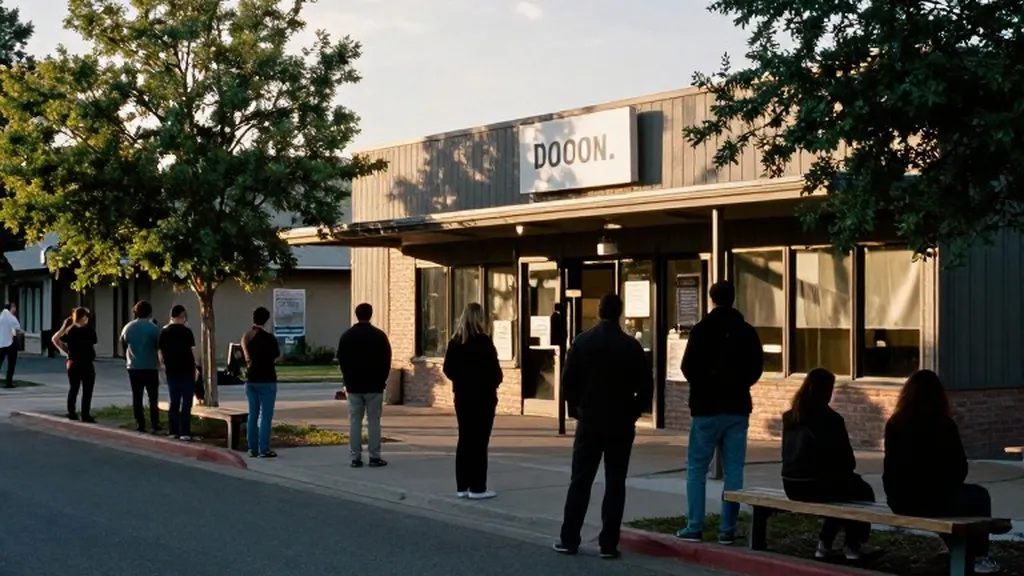
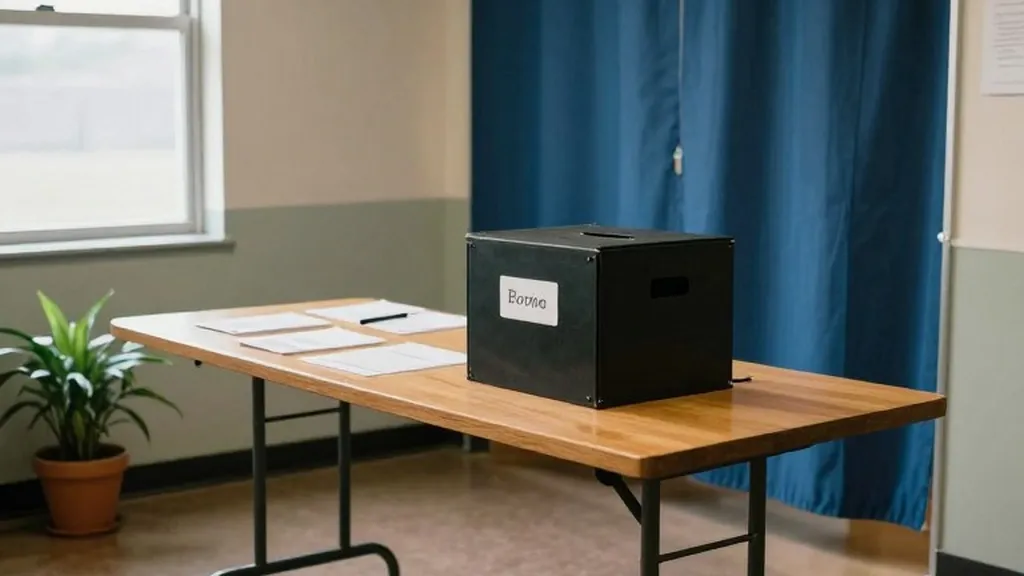
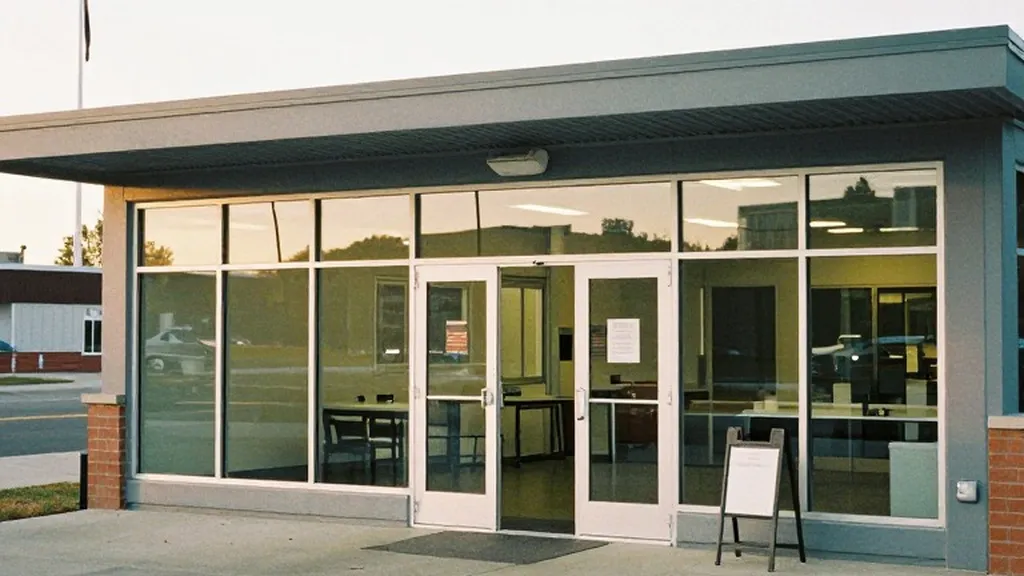
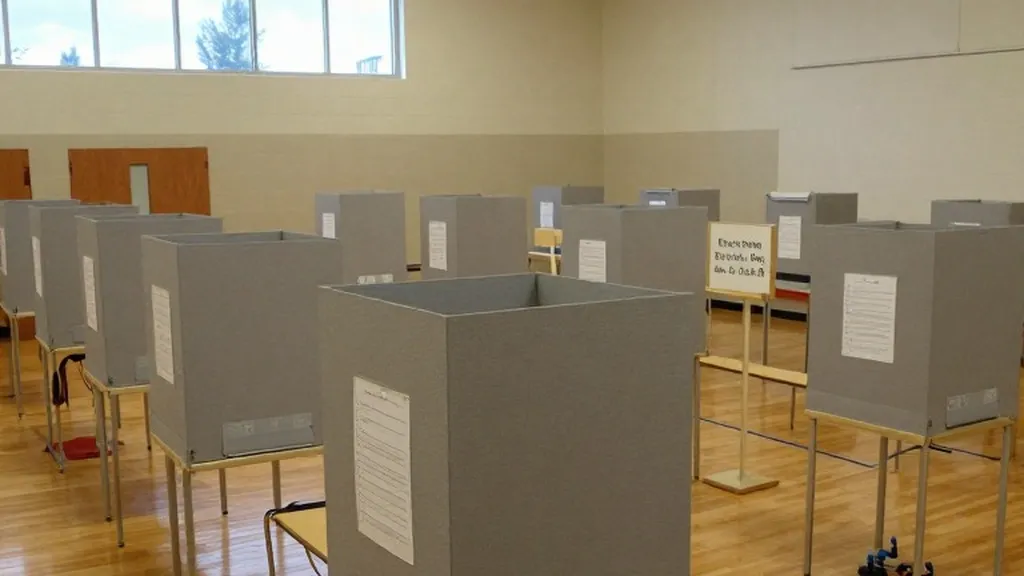
Polls in Ada County opened at 8 a.m. today, welcoming voters in Boise, Meridian, Nampa, and Caldwell to cast their ballots for the 2026 midterm election. The state is divided between the Mountain and Pacific time zones, so the closing time varies by location, but most polls will remain open until 8 p.m. local time. According to Ballotpedia, Idaho is divided between the Mountain and Pacific time zones, which affects when specific polling places close. Residents can check their specific polling place at vote.gov, and anyone in line when polls close is entitled to vote.
Idaho voters are weighing several significant state and national races on their ballots. The state's U.S. Senate seat is up for election, with incumbent Republican Jim Risch running for another term. The ballot also includes a race for governor, where incumbent Republican Brad Little is seeking re-election. Both races feature candidates from the Independent, Libertarian, and Republican parties for the Senate, and the Democratic, Independent, Libertarian, Republican, and Unaffiliated parties for the governorship. Every U.S. House seat in the state is also on the ballot, alongside state and local offices and measures that vary by county.
Statewide, voters will also decide on four ballot measures, including a question on whether English should be designated as the official language of Idaho and a measure limiting the state legislature's authority to legalize psychoactive substances. These local decisions are part of a broader national event where the results will determine who controls Congress for the final two years of President Donald Trump's second term.
Nationally, all 435 seats in the U.S. House of Representatives are up for grabs. Republicans currently hold 218 seats, while Democrats hold 214, with one independent and some vacancies. The margin of control is extremely tight, with Democrats needing a net gain of three districts to claim a majority. Conversely, Republicans can lose no more than two seats to maintain their control. Ballotpedia has identified 46 battleground districts, including 25 held by Democrats and 21 held by Republicans, where the outcome remains uncertain.
The redistricting process has reshaped the political landscape, with six states using new congressional maps after mid-decade redistricting: California, Florida, Missouri, North Carolina, Tennessee, and Texas. Ohio also utilizes a new map for its elections. These changes have created new competitive districts, with 21 Democratic-held districts having voted for Trump in 2024 and nine Republican-held districts having voted for Kamala Harris. This shift has made the House race more unpredictable than in previous midterms.
Beyond the House, 35 Senate seats are on the ballot, including 33 regular elections and two special elections for the terms of Marco Rubio and JD Vance. Republicans hold a 53 to 45 majority in the Senate, with two independents who caucus with Democrats. Democrats need a net gain of four seats to take control, while Republicans can lose only two to keep their majority. Additionally, 36 governorships are up for election, with Republicans currently holding 26 and Democrats holding 24. Democrats would need to gain two governorships to achieve a nationwide majority, a feat they have not accomplished since 2010.
The Associated Press describes this election as a referendum on Trump's second term, noting that voters are struggling with high prices and are angry over an unpopular war with Iran. AP-NORC polling indicates that 35% of U.S. adults approve of Trump's job performance, while about seven in 10 say the country is heading in the wrong direction. More than 57 million people had already voted as of Monday, surpassing the early vote totals of four years ago in many closely watched states.
Republican committees have outraised and outspent Democratic committees, aided by Trump-affiliated groups and Elon Musk, although Democrats outraised their opponents at the candidate level. The 2026 elections are likely to be the most expensive in history. RNC Chairman Joe Gruters stated that everything depends on turnout, while DCCC Chair Rep. Suzan DelBene said the American people are angry and want change. These statements highlight the high stakes and the intense focus on voter participation.
In the Senate, 13 races are considered battlegrounds, including key contests in Alaska, Florida, Georgia, Iowa, Kansas, Maine, Michigan, Montana, Nebraska, New Hampshire, North Carolina, Ohio, and Texas. The AP and PBS have highlighted several key matchups, such as Roy Cooper against Michael Whatley in North Carolina and Jon Ossoff against Mike Collins in Georgia. In Alaska, the Trump administration filed a lawsuit related to the certification of the Senate result, adding another layer of complexity to the election.
Voters in Idaho and across the country are heading to the polls to decide the direction of their local governments and the national balance of power. The outcome of these elections will have significant implications for the remainder of Trump's term and the upcoming 2028 presidential cycle. As polls close, the nation will wait for the first returns, which could take days to fully count in some areas.
The U.S. Postal Service has added hours, staff, and special lines to ensure mail ballots are counted on time, while a federal judge temporarily barred the Trump administration from a plan to prevent noncitizen voting. These administrative moves aim to ensure a smooth election process despite ongoing legal challenges. Voters are reminded that ID rules vary by state, and they should check their state's rules before heading to the polls.