Idaho voters decide Senate race in historic midterm
Boise and Treasure Valley residents cast ballots for U.S. Senator Jim Risch and Governor Brad Little as Idaho plays a pivotal role in the fight for congressional control.
By Samantha Reed ·
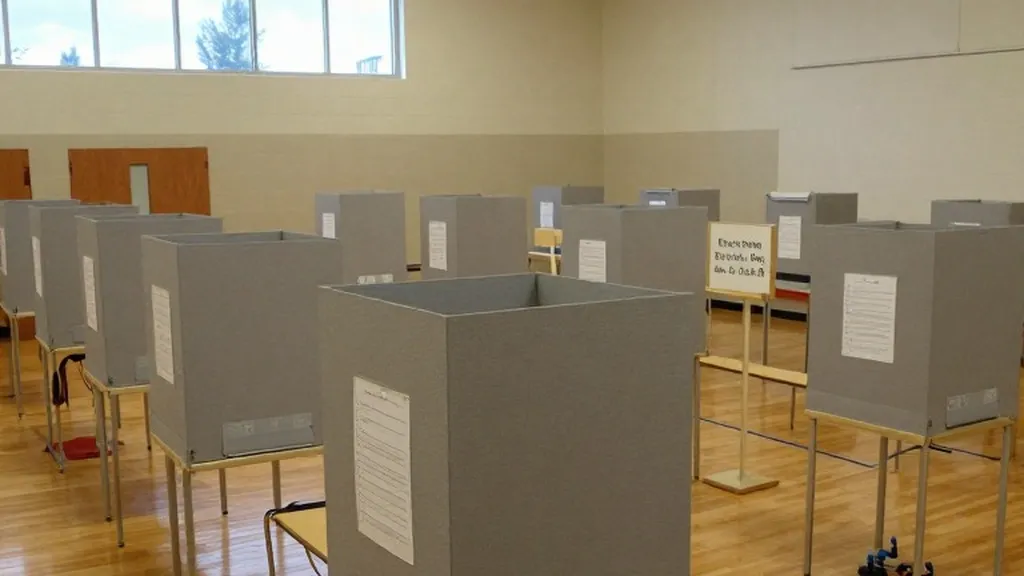
Voters in Boise and the Treasure Valley are heading to the polls on this Tuesday to decide the fate of the U.S. Senate seat currently held by Jim Risch. The election is part of a nationwide midterm contest that will determine which party controls Congress for the final two years of President Donald Trump's second term. In Idaho, polls are open from 8 a.m. to 8 p.m., though some locations may open at 7 a.m. at the discretion of the county clerk. The state is divided between the Mountain and Pacific Time Zones, which affects when ballots are counted in different parts of the state.
Idahoans are also selecting their governor, with incumbent Brad Little seeking re-election. According to Ballotpedia, the ballot includes candidates from the Democratic, Independent, Libertarian, Republican, and Unaffiliated parties for the governor's race. The U.S. Senate race features candidates from the Independent, Libertarian, and Republican parties. Every U.S. House seat in the state is also on the ballot, along with state and local offices that vary by county.
Residents of Boise, Meridian, Nampa, and Caldwell will cast their votes in a state that is not currently listed among the thirteen key Senate battlegrounds. However, the outcome of the national race is heavily influenced by the performance of Republican-held seats. Republicans hold 53 seats in the Senate, while Democrats hold 45, plus two independents who caucus with Democrats. Democrats need a net gain of four seats to secure a majority, a threshold that requires winning several competitive races across the country.
Idaho is one of the states where the Senate seat is up for election, with incumbent Jim Risch running again. The Associated Press notes that the election is being viewed as a referendum on the president's job performance. Recent polling from AP-NORC shows that 35% of U.S. adults approve of Trump's job performance, while about seven in ten say the country is heading in the wrong direction. Many voters cite high prices and an unpopular war with Iran as primary concerns influencing their choices.
The state's ballot also includes measures that reflect local priorities. One proposal, HJR 4, would provide that only the state legislature has the authority to legalize marijuana, narcotics, or another psychoactive substances. Another measure, HJR 6, seeks to add constitutional language designating English as the official language of Idaho. A separate question asks voters to choose the official state gun of Idaho. These measures highlight the diverse issues facing voters beyond the high-profile federal races.
Nationally, the U.S. House race is equally critical. All 435 seats are up for grabs, with Republicans holding 218 seats and Democrats holding 214. Democrats need a net gain of three districts to achieve a majority, while Republicans can lose no more than two. Ballotpedia counts 46 battleground districts, including 25 held by Democrats and 21 held by Republicans. The outcome of these races will determine the balance of power in the lower chamber of Congress.
Governor races are also a major focus, with 36 governorships on the ballot. Republicans hold 26 governor's offices and Democrats hold 24. Of the offices on the ballot, each party holds 18. Democrats would need a net gain of two governorships to achieve a nationwide majority, which Republicans have held since 2010. In Idaho, the incumbent governor is running for re-election, adding a layer of complexity to the state's political landscape.
The Associated Press reports that more than 57 million people had already voted as of Monday, surpassing the early vote of four years ago in many closely watched states. The U.S. Postal Service has added hours, staff, and special lines to ensure that mail ballots are counted on time. A federal judge temporarily barred the Trump administration from carrying out a plan to prevent noncitizen voting, a move that critics say risks disenfranchising eligible voters.
Republican committees have outraised and outspent Democratic committees, helped by Trump-affiliated groups and Elon Musk. However, at the candidate level, Democrats have outraised their opponents. The 2026 elections are likely to be the most expensive in history, with 88.1% of Republican general election TV ad spending going to states and districts Trump won in 2024. This spending pattern reflects the strategic focus on holding ground in areas where the president performed well.
If Democrats win even one chamber, investigations and possible impeachment proceedings become likely. House Democratic Leader Hakeem Jeffries would be the first Black speaker and has outlined a 100-day agenda on the cost of living and oversight. A strong Democratic night would boost potential 2028 candidates, including Gavin Newsom, JB Pritzker, and Pete Buttigieg. Republicans are trying to beat the midterm pattern, which usually sees a president's party lose seats, by using new congressional maps in several states.
As polls close at 8 p.m. in Idaho, voters in the Treasure Valley and across the state will await the results of a historic election. The outcome will shape the political landscape for the next six years, with winners beginning their terms on January 3, 2027. The state's role in this national contest underscores the importance of every vote in determining the future of American governance.