Idaho voters decide Risch's seat as national Senate fight tightens
Polls in Boise and Meridian close at 8 p.m. today as the state's Republican incumbent faces a competitive field in a race that is one of 13 national battlegrounds.
By Justin Brooks ·
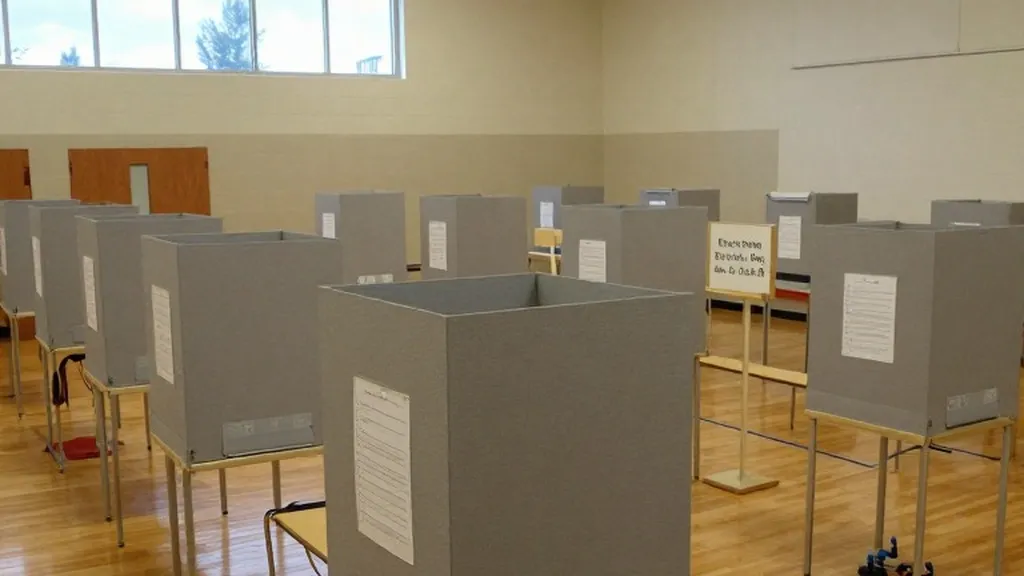
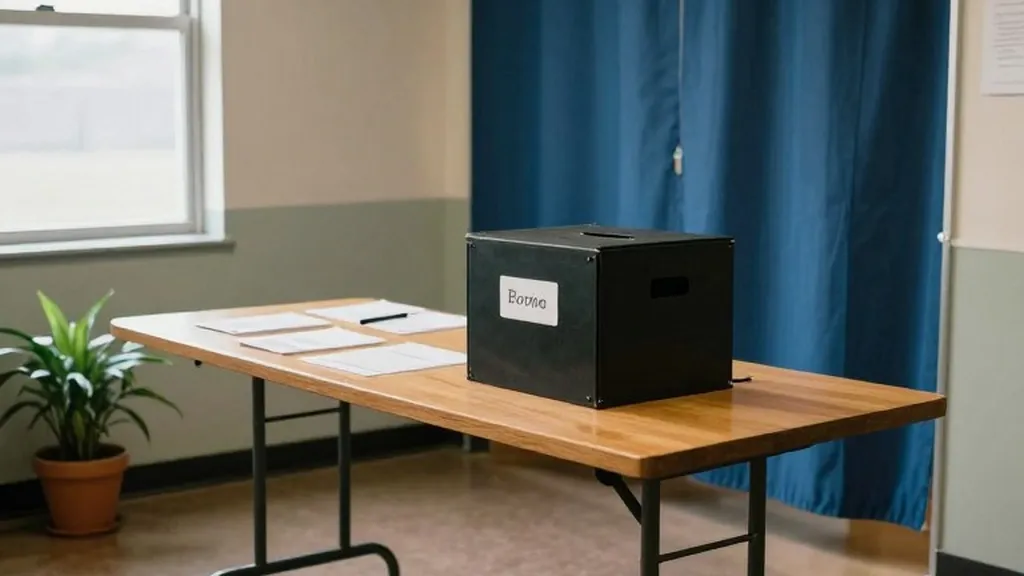
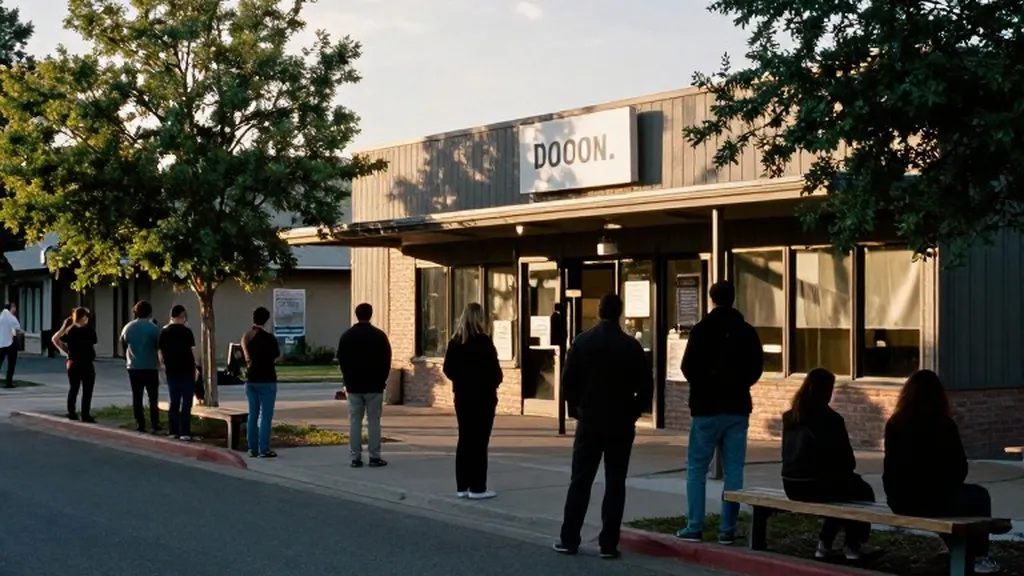
Voters across Boise County and the Treasure Valley are casting ballots today in a midterm election that will determine the balance of power in the U.S. Senate for the next two years. In Idaho, the polls are open from 8 a.m. to 8 p.m., though some locations may open at 7 a.m. at the discretion of the county clerk. Residents in Boise, Meridian, Nampa, and Caldwell are deciding the fate of a U.S. Senate seat currently held by Republican incumbent Jim Risch. According to Ballotpedia, the Republican party, along with the Independent and Libertarian parties, are represented on the ballot for this specific office.
The state also holds a gubernatorial election today, with incumbent Republican Brad Little seeking re-election. The governor's race includes candidates from the Democratic, Independent, Libertarian, Republican, and Unaffiliated parties. Voters in the county will also decide on every U.S. House seat in the state, as well as state and local offices that vary by municipality. The Associated Press describes the 2026 election as a referendum on President Donald Trump's second term, with many voters citing high prices and an unpopular war with Iran as primary concerns.
Nationally, 35 of the 100 Senate seats are up for election, including 33 regular seats and two special elections for the remaining terms of Marco Rubio and JD Vance. Republicans currently hold 53 seats, while Democrats hold 45, plus two independents who caucus with the Democratic party. To gain control of the Senate, Democrats need a net gain of four seats, while Republicans can afford to lose only two. The Associated Press reports that Republicans are bracing to lose the House but are fighting to hold the Senate, with one or two seats potentially tipping the balance of either chamber.
Ballotpedia identifies 13 Senate races as battlegrounds, a list that includes Idaho. The other contested seats are in Alaska, Florida, Georgia, Iowa, Kansas, Maine, Michigan, Montana, Nebraska, New Hampshire, North Carolina, Ohio, and Texas. Ratings from Cook Political Report, Decision Desk, Inside Elections, and Sabato's Crystal Ball vary, with Maine currently a toss-up on all four ratings. In Georgia, the race leans Democratic, while Alaska is seen as a toss-up to lean Democratic. These ratings reflect the intense competition in states where the 2024 presidential margins were narrow.
In Idaho, the race for the Senate seat is part of a broader national struggle that has seen significant spending. The 2026 elections are likely to be the most expensive in history, with Republican committees outraising and outspending their Democratic counterparts. This financial advantage has been helped by groups affiliated with President Trump and Elon Musk. However, at the candidate level, Democratic campaigns have managed to outraise their Republican opponents, according to an analysis of AdImpact data by the Associated Press.
The Associated Press notes that more than 57 million people had already voted as of Monday, surpassing the early vote totals from four years ago in many closely watched states. In Idaho, the early vote has been a significant factor, with many residents casting ballots ahead of today's general election. The U.S. Postal Service has added hours, staff, and special lines to ensure that mail ballots are counted on time, a move that is particularly important in states that rely heavily on mail-in voting.
Key matchups in the national Senate races include North Carolina, where former Governor Roy Cooper faces former Republican National Committee chair Michael Whatley. In Georgia, Senator Jon Ossoff is competing against Republican Representative Mike Collins. In Ohio, former Senator Sherrod Brown is running against incumbent Senator Jon Husted. In Michigan, former Representative Mike Rogers is facing Democrat Abdul El-Sayed, a race that has seen a shift in endorsements as El-Sayed's former primary opponent endorsed Rogers. These races are critical because they represent seats that could determine the final majority in the chamber.
The mood in the country is described by the Associated Press as one of struggle, with 35 percent of U.S. adults approving of President Trump's job performance and 25 percent approving of his handling of the economy. About 7 in 10 adults say the country is heading in the wrong direction. Many voters blame the President for high prices, a sentiment that is echoed by voters in Boise and other parts of Idaho. The election is being watched closely by Wall Street, with Reuters noting that results could add to investor concerns about AI spending and debt ceiling negotiations.
In Idaho, the ballot also includes measures on psychedelics, the English language, and the official state gun. HJR 4 proposes that only the state legislature has the authority to legalize marijuana and other psychoactive substances. HJR 6 seeks to add constitutional language designating English as the official language of Idaho. Voters will also be asked to choose the official state gun of Idaho. These measures reflect the diverse range of issues facing voters in the state beyond the federal races.
As polls close at 8 p.m. in Idaho, officials will begin the process of counting ballots. The results will determine who controls the Senate for President Trump's final two years in office. If Democrats win even one chamber, investigations and possible impeachment proceedings become likely. The Associated Press reports that House Democratic Leader Hakeem Jeffries would be the first Black speaker if his party gains control of the House, and he has outlined a 100-day agenda focused on the cost of living and oversight. The election is a critical test for both parties as they look toward the 2028 presidential cycle.