Idaho voters decide fate of Gov. Brad Little's bid for re-election
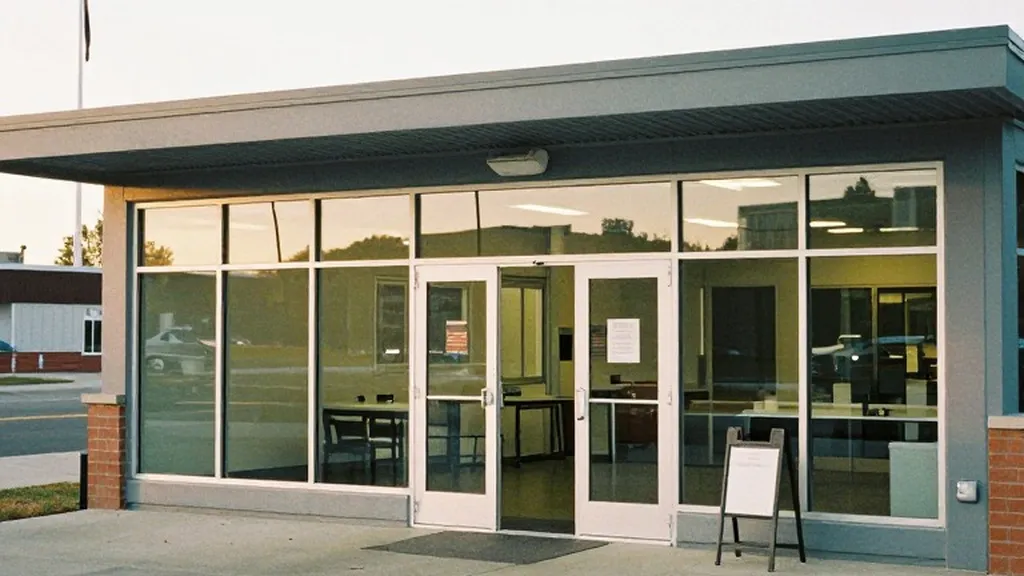
Polls in Boise, Nampa, Meridian, and Caldwell open at 8 a.m. to determine if the incumbent Republican will retain his seat in a competitive statewide race.
By Aiko Nakamura ·
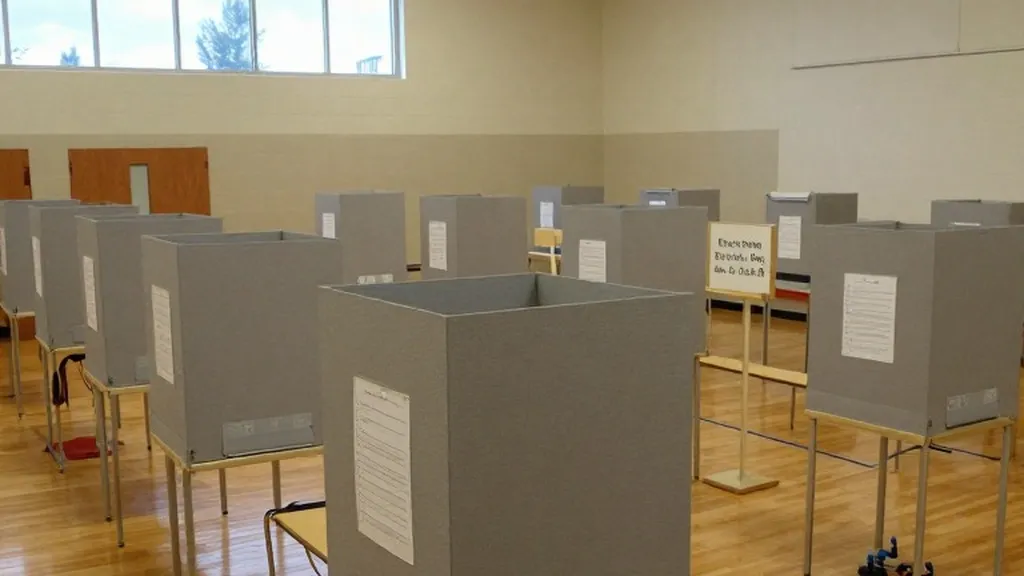
Voters across Idaho will head to the polls on Tuesday, November 3, 2026, to decide the outcome of the state's governor's race. According to Ballotpedia, polls are open from 8 a.m. to 8 p.m., though county clerks may allow locations to open as early as 7 a.m. at their discretion. In the Treasure Valley communities of Boise, Nampa, Meridian, and Caldwell, residents will cast ballots for the executive who has led the state since 2023. The race is viewed as a key contest in the national midterm elections, which are being described by the Associated Press as a referendum on President Donald Trump's second term.
Incumbent Governor Brad Little, a Republican, is seeking re-election against a field that includes candidates from the Democratic, Independent, Libertarian, and Unaffiliated parties. Ballotpedia notes that Little is running for the office, and the state has not highlighted this specific race as a notable battleground in its preliminary coverage. However, the governor's office is one of 36 up for grabs nationwide, with Republicans holding 26 offices and Democrats 24 heading into the election. Democrats would need a net gain of two governorships to claim a nationwide majority, a position Republicans have held since 2010.
The Associated Press reports that voters are struggling with high prices and are angry over an unpopular war with Iran. These economic and foreign policy concerns are shaping the mood in Idaho, where residents face the same national pressures. A federal judge temporarily barred the Trump administration from a plan intended to prevent noncitizen voting, a move critics say risks disenfranchising eligible voters. This legal development adds a layer of complexity to the election day proceedings, as the U.S. Postal Service has added staff and special lines to ensure mail ballots are counted on time.
In the broader context of the 2026 midterms, Idaho voters will also elect their U.S. Senate representative. Incumbent Jim Risch, a Republican, is running for re-election. The Associated Press and PBS NewsHour have not listed Idaho as a primary Senate battleground, but the race remains part of the 35 seats up for grabs. Republicans currently hold 53 Senate seats, while Democrats hold 45, plus two independents. Democrats need a net gain of four seats to take control of the chamber, a hurdle that requires winning competitive races in states like Georgia, Michigan, and Iowa.
Every U.S. House seat in Idaho is on the ballot, reflecting the national trend where all 435 seats are contested. Republicans hold 218 House seats, and Democrats hold 214. For Democrats to take the majority, they need a net gain of three districts. The Associated Press notes that 60 House incumbents are not running again, creating open seats that could shift the balance of power. In Idaho, the outcome of these races will determine the state's influence in the House for the next two years, a period that coincides with the final stretch of the current presidential administration.
Statewide ballot measures will also appear on the Idaho ballot, offering voters a chance to shape state policy directly. One measure, HJR 4, would provide that only the state legislature has the authority to legalize marijuana, narcotics, or other psychoactive substances. Another, HJR 6, seeks to add constitutional language designating English as the official language of Idaho. Additionally, voters will be asked to choose the official state gun of Idaho and consider Proposition 1, which addresses reproductive freedom and privacy in statute. These measures reflect the diverse range of issues facing Idahoans beyond the candidate races.
The Associated Press notes that more than 57 million people had already voted as of Monday, surpassing the early vote of four years ago in many closely watched states. This high level of participation suggests a robust turnout in Idaho as well. The U.S. Postal Service has expanded operations to handle the volume of mail-in ballots, a critical factor in a state where many voters rely on this method. The election is expected to be one of the most expensive in history, with Republican committees outspending Democrats at the committee level, though Democrats outraised their opponents at the candidate level.
President Trump has been actively campaigning across the country, holding rallies in states including Mississippi, South Carolina, and Texas. His recent remarks in Salina, Kansas, where he asked voters to pretend he is on the ballot, highlight the personal nature of this election. In Idaho, many Republican candidates have kept their distance from the president, a strategy that reflects the national trend of incumbents seeking to distinguish themselves from the national party brand. The Associated Press describes the election as a moment of decision for the American people, who are seeking change and accountability.
As polls open in Boise and surrounding areas, voters will have the opportunity to shape the direction of Idaho's government. The outcome of the governor's race will determine whether Brad Little continues his tenure or if a new leader takes the helm. The race is part of a larger national contest that will decide the control of Congress and the balance of power in statehouses across the country. With polls open until 8 p.m., Idahoans have the chance to make their voices heard in this critical midterm election.
The Associated Press notes that if Democrats win even one chamber of Congress, investigations and possible impeachment proceedings become likely. This potential shift in power adds urgency to the race in Idaho, where voters will choose their representatives for the next two years. The election is a test of the current administration's policies and a reflection of the voters' priorities. As the day progresses, the results will begin to emerge, offering a glimpse into the future of Idaho and the nation.