Idaho voters decide Little's fate as national governor races split
Polls in Boise and the Treasure Valley open at 8 a.m. to decide 36 governorships, with Republicans and Democrats holding 18 each nationally before the vote.
By Samantha Reed ·
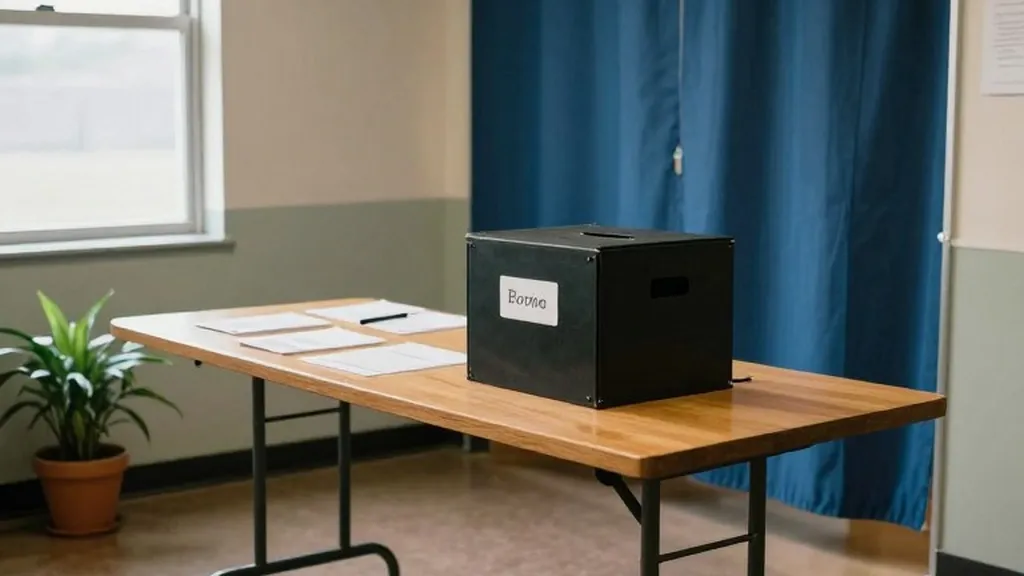
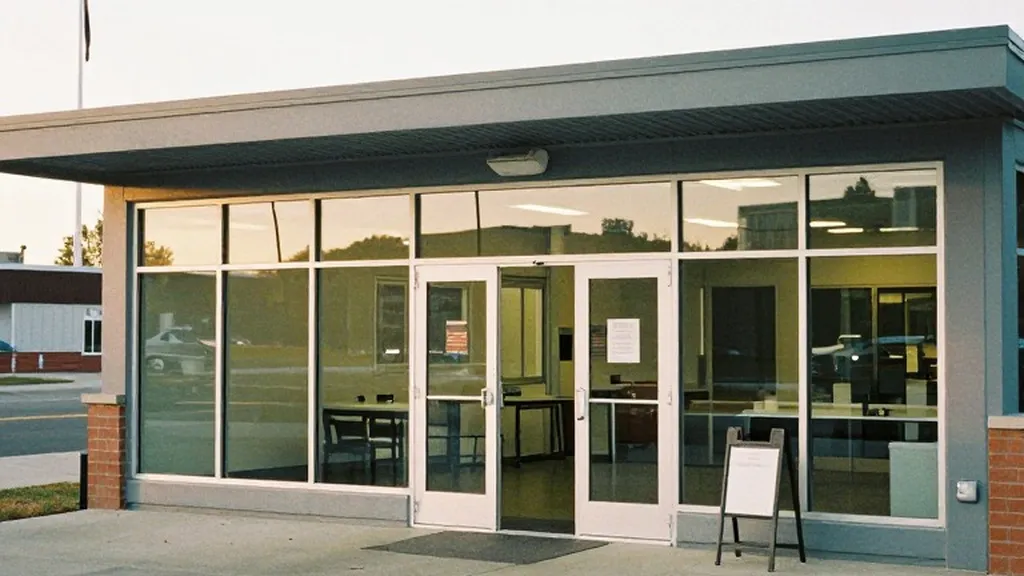
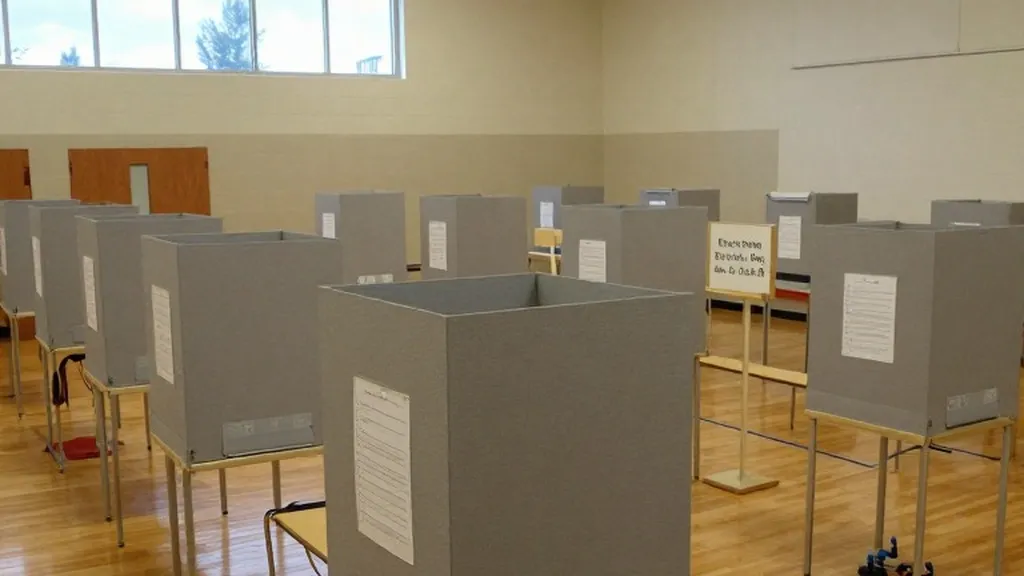
Idaho voters head to polling places at 8 a.m. on Tuesday, November 3, 2026, to decide the state's top executive office and other key races. Ballotpedia confirms that incumbent Republican Governor Brad Little is on the ballot for re-election. The state also elects its U.S. Senate representative, with incumbent Republican Jim Risch seeking to retain his seat. The ballot includes parties for the Independent, Libertarian, Republican, and other minor candidates. Local offices and measures vary by county across Boise, Meridian, Nampa, and Caldwell. Polls remain open until 8 p.m., though some locations may close earlier if all registered voters have cast their ballots.
The national picture presents a tight race for gubernatorial control. According to Ballotpedia, 36 governorships are up for grabs this year. Heading into the election, Republicans hold 26 governor's offices and Democrats hold 24. However, among the specific offices on the ballot, the parties are evenly matched with 18 seats each. This equilibrium means that a net gain of two governorships would be required for Democrats to achieve a nationwide majority. Republicans have held the majority of governorships since 2010. The outcome of these 36 races will determine which party controls the executive branches of state governments across the country for the next term.
Nineteen of the 36 governor races are open seats because there is no incumbent on the ballot. Ballotpedia notes that 15 governors are term-limited and cannot run again. Three others chose not to seek re-election: Iowa's Kim Reynolds, Minnesota's Tim Walz, and Wisconsin's Tony Evers. Additionally, Rhode Island's Daniel McKee lost his primary challenge. These open seats provide opportunities for challengers to flip partisan control. The absence of incumbents in nearly half of the races adds volatility to the national tally. Voters in these states are deciding new leadership without the benefit of a sitting governor's name recognition.
The Associated Press identifies nine states as battlegrounds for governor: Alaska, Arizona, Georgia, Iowa, Kansas, Michigan, Nevada, Ohio, and Wisconsin. In these states, the margins of victory are expected to be narrow. Democrats are defending five governorships in states that President Donald Trump won in 2024. These include Arizona, where Katie Hobbs is running, as well as Kansas, Michigan, Pennsylvania, and Wisconsin. Republicans are defending two governorships in states that Kamala Harris won in 2024: New Hampshire and Vermont. The AP calls Texas, Florida, and Iowa competitive as well, though they are not in the primary battleground list. The result in these nine states will likely determine the final national count.
Several named matchups are drawing national attention. In Georgia, Republican health care executive Rick Jackson faces Democratic former Atlanta Mayor Keisha Lance Bottoms. They are competing to succeed Brian Kemp. In Nevada, Republican Governor Joe Lombardo is running against Democratic Attorney General Aaron Ford. Ohio features a race between Republican Vivek Ramaswamy and Democrat Amy Acton. Ramaswamy's campaign has faced backlash over an advertisement featuring Acton's estranged mother. These races are part of a broader fight for state control. The Associated Press notes that Democrats hope to hold a majority of governorships for the first time in two decades. This would mark a significant shift in the balance of state executive power.
Idaho voters are also weighing national issues in their local decisions. The Associated Press describes the election as a referendum on President Trump's second term. Polling data from AP-NORC indicates that 35 percent of U.S. adults approve of Trump's job performance. Only 25 percent approve of his handling of the economy. About seven in 10 respondents say the country is heading in the wrong direction. Many voters blame the president for high prices. In Idaho, residents in Boise and surrounding areas may consider these national trends while voting for state and federal offices. The mood is described as one of struggle with inflation and anger over an unpopular war with Iran.
More than 57 million people had already voted as of Monday, surpassing the early vote of four years ago in many closely watched states. This high volume of early voting suggests strong engagement among the electorate. The U.S. Postal Service has added hours, staff, and special lines to ensure mail ballots are counted on time. A federal judge temporarily barred the Trump administration from carrying out a plan to prevent noncitizen voting. Critics argue this move risks disenfranchising eligible voters. Another judge ordered the administration to stop demanding that California officials segregate ballots from suspected noncitizens. These legal moves add complexity to the election administration process. Voters in Idaho should check their polling place at vote.gov to ensure they are at the correct location.
The financial scale of the 2026 elections is likely to be the largest in history. Republican committees outraised and outspent Democratic committees, aided by Trump-affiliated groups and Elon Musk. However, at the candidate level, Democrats outraised their opponents. An analysis by the Associated Press of AdImpact data shows that 88.1 percent of Republican general election television ad spending went to states and districts Trump won in 2024. More than $850 million was spent in areas where he won by 10 points or more. This spending strategy reflects a focus on defending existing advantages. The high cost of the campaign underscores the intensity of the competition for control of state and federal offices.
Voters in Idaho will also decide on several ballot measures. One measure, HJR 4, asks whether only the state legislature has the authority to legalize marijuana, narcotics, or other psychoactive substances. Another measure, HJR 6, proposes adding constitutional language designating English as the official language of Idaho. A third measure asks voters to choose the official state gun of Idaho. Proposition 1 addresses reproductive freedom and privacy in statute. These local decisions will shape Idaho law for years to come. The results of these measures will be added to the list of statewide outcomes announced after polls close.