Boise voters weigh economic strain and oversight as polls close
Idaho residents cast ballots in the midterm election, determining control of Congress and the state legislature amid national debates over prices and presidential authority.
By Aiko Nakamura ·
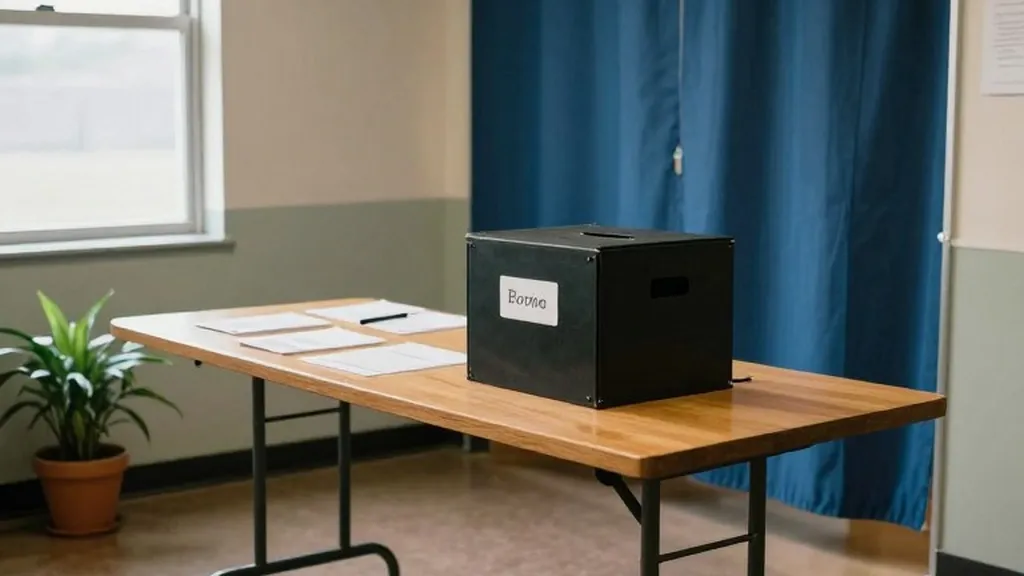
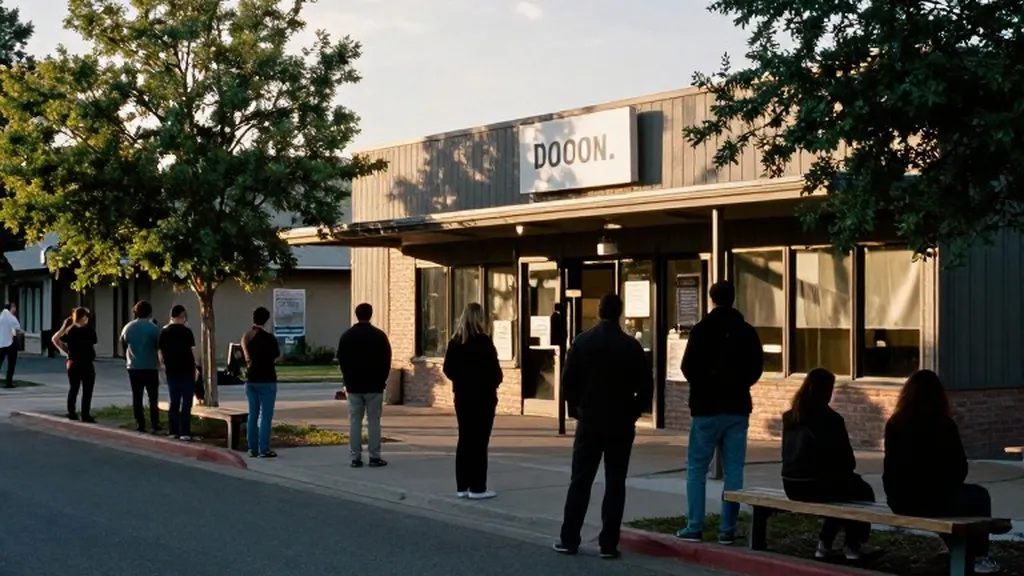
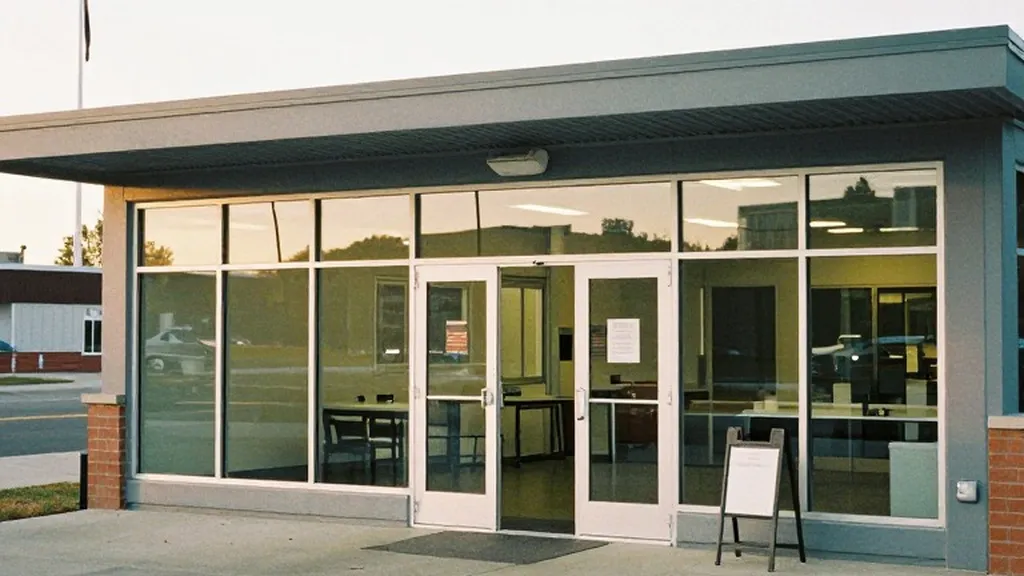
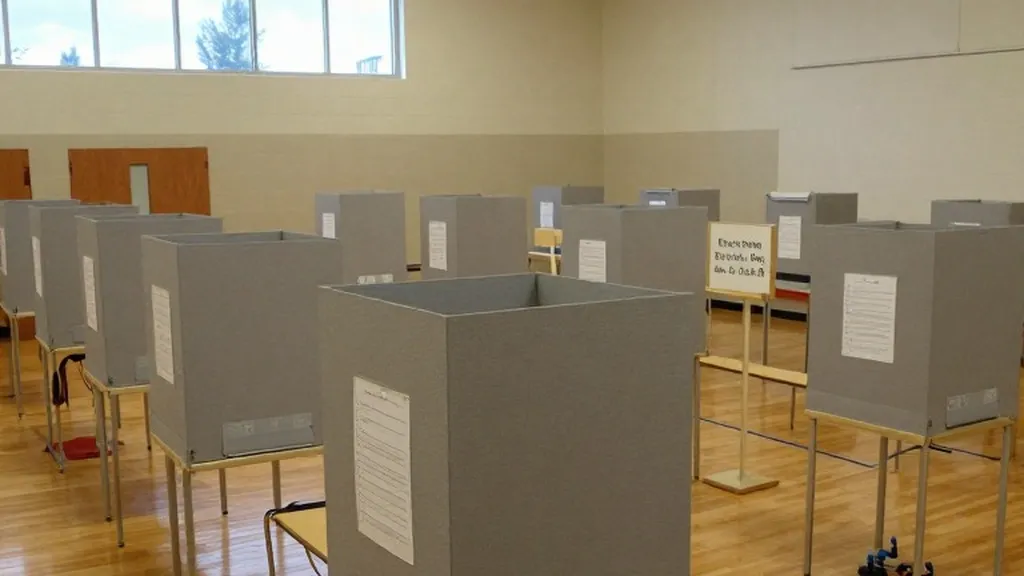
Polling places across Ada County opened at 8 a.m. Tuesday, with voting continuing until 8 p.m. local time. Residents in Boise, Meridian, Nampa, and Caldwell are casting ballots in a critical midterm election that will determine the balance of power in Washington and the composition of Idaho state offices. According to Ballotpedia, Idaho polls operate on a standard schedule, though some locations may open earlier at the discretion of county clerks or close early if all registered voters have participated. The day marks the halfway point in President Donald Trump's second term, with voters deciding who will control Congress for the final two years of his administration.
Idaho voters are choosing between incumbent U.S. Senator Jim Risch and his challengers, as well as incumbent Governor Brad Little, who is seeking another term. Ballotpedia notes that the Republican, Democratic, Independent, and Libertarian parties are represented on the ballot for these statewide races. Additionally, every U.S. House seat in the state is on the ballot, along with contests for the state legislature, supreme court, and intermediate appellate courts. Local ballot measures are also active, including a proposal to designate English as the official language of Idaho and a question on the official state gun.
The national context of the election is defined by economic anxiety and a desire for oversight. The Associated Press describes the vote as a referendum on the current administration, with many voters expressing frustration over high prices and an unpopular war with Iran. AP-NORC polling indicates that only 35 percent of U.S. adults approve of President Trump's job performance, while 25 percent approve of his handling of the economy. Approximately seven in ten Americans believe the country is heading in the wrong direction, with a majority blaming the president for rising costs. This sentiment is particularly relevant for Idahoans, who are facing similar pressure on their household budgets.
For the U.S. Senate, 35 seats are up for election, including 33 regular elections and two special elections. Republicans currently hold 53 seats, while Democrats hold 45, with two independents caucusing with the Democrats. According to Ballotpedia, Democrats need a net gain of four seats to achieve a majority, while Republicans can afford to lose only two. If Democrats secure a majority in either chamber, investigations and possible impeachment proceedings become likely, a prospect that could significantly impact the oversight of federal agencies and the executive branch.
The U.S. House race is equally tight, with all 435 seats up for grabs. Republicans hold 218 seats and Democrats 214, with one independent and some vacancies. Democrats need a net gain of three districts to take control of the House. Ballotpedia identifies 46 battleground districts, many of which are in states with new congressional maps following mid-decade redistricting. In Idaho, the outcome of the House races will influence the overall national tally, though the state itself is not currently listed as a primary battleground for Senate control.
Governorships are also a major focus, with 36 races on the ballot. Republicans hold 26 governor's offices and Democrats 24, with 19 races lacking an incumbent due to term limits or retirements. The Associated Press notes that Democrats are hoping to hold a majority of governorships for the first time in two decades. In Idaho, Governor Brad Little is running for re-election, a race that will determine the state's executive direction and its approach to state-specific economic and regulatory issues.
Election administration has been a point of contention, with a federal judge temporarily barring the Trump administration from implementing a plan to prevent noncitizen voting. Reuters reports that this legal move has raised concerns among critics about the potential disenfranchisement of eligible voters and the intrusion into state authority over elections. The U.S. Postal Service has added hours and staff to ensure mail ballots are counted on time, a logistical step that is crucial for states like Idaho where mail-in voting is a significant component of the process.
Wall Street is closely monitoring the results, with Reuters noting that the outcome could influence investor confidence regarding AI spending and debt ceiling negotiations. The economy is a central theme in the campaign, with both parties emphasizing their plans to address cost of living. House Democratic Leader Hakeem Jeffries has outlined a 100-day agenda focused on oversight and economic relief, signaling a shift in legislative priorities if his party gains power.
Voters in Boise and surrounding towns are making their final decisions in a year that has seen record spending on campaigns. The Associated Press reports that the 2026 elections are likely to be the most expensive in history, with Republican committees outspending Democrats at the committee level, aided by Trump-affiliated groups. However, Democrats have outraised their opponents at the candidate level. This financial intensity reflects the high stakes of the election, where small margins in key districts and states will determine the direction of the country for the next two years.
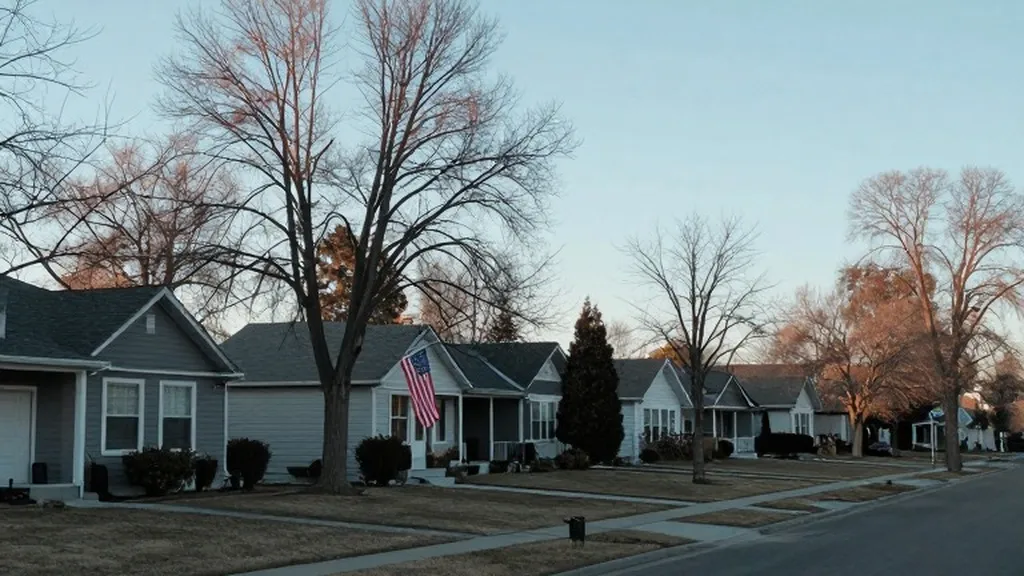
As polls close, the focus shifts to the counting process, which will determine the final balance of power. The results of the Idaho races will be part of a broader national picture that could see a change in control of Congress. For local readers, the election is not just about national politics, but about the immediate future of their community, including state leadership, local ballot measures, and the economic environment in which they live and work.
The Associated Press notes that Republicans are bracing for potential losses in the House, while Democrats are cautiously optimistic. The outcome will shape the legislative agenda for the remainder of the presidential term, with significant implications for oversight, economic policy, and the role of the federal government in state affairs. Idaho voters are thus playing a part in a national decision that will define the next phase of American politics.