Idaho voters cast ballots as House control tightens to three seats
Boise and Ada County residents participated in a pivotal election that determined the fate of the U.S. House, where a three-seat margin will define the next two years of legislative power.
By Aiko Nakamura ·
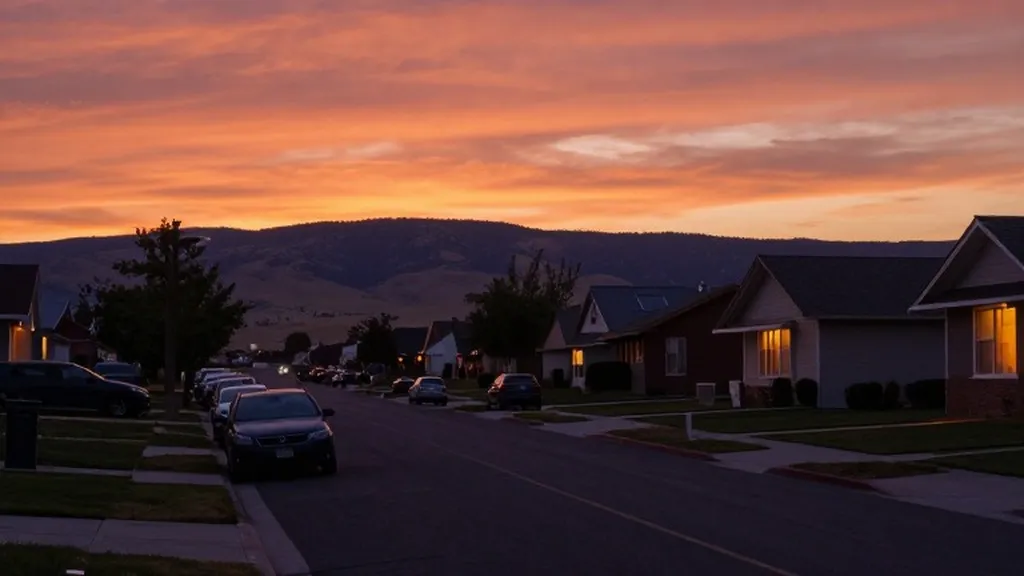
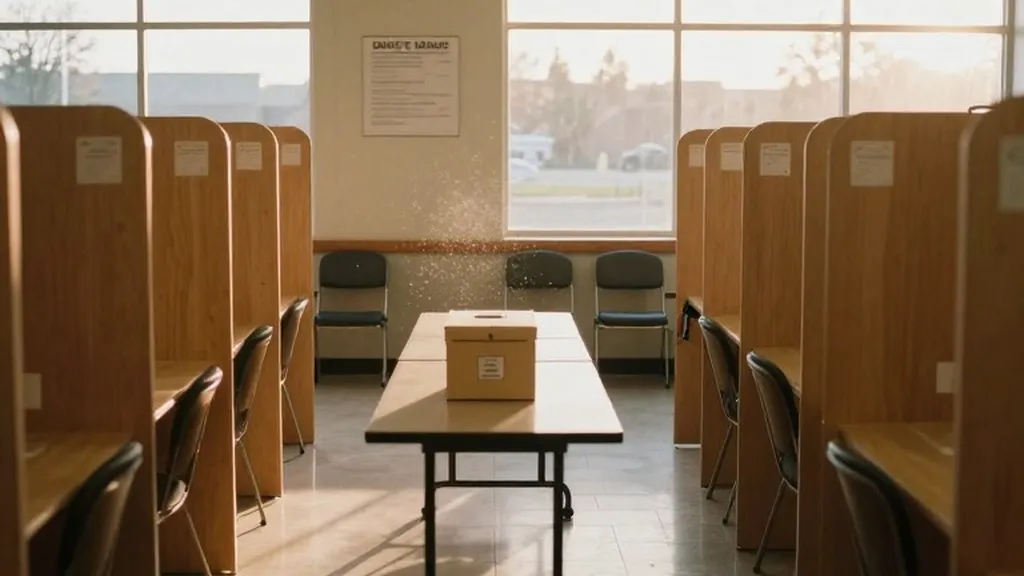
Election Day concluded in Ada County with polls closed at 8 p.m., marking the end of a campaign season that focused heavily on the direction of the federal government. Voters in Boise, Meridian, Nampa, and Caldwell cast their ballots for U.S. Senate, governor, and every U.S. House seat in the state. The state’s election officials confirmed that the general election took place on Tuesday, November 3, 2026. With the polls closed, the focus turns to the final tally of votes in the state’s congressional districts and the statewide races for executive and judicial offices.
In Idaho, the ballot included a contest for the U.S. Senate seat held by incumbent Jim Risch, a Republican. The race also featured candidates from the Independent, Libertarian, and Republican parties. Additionally, voters chose a governor, with incumbent Brad Little, a Republican, facing challengers from the Democratic, Independent, Libertarian, Republican, and Unaffiliated parties. The state also held elections for state and local offices, including the state supreme court and various school boards, which vary by county.
The national picture emerged from these local choices as the results painted a narrow picture for the U.S. House of Representatives. The final count revealed a split of 218 seats for one party and 214 for the other, leaving a margin of only three seats. This narrow difference means that the control of the House will be determined by the outcomes in a small number of closely contested districts. The three-seat margin underscores the impact of the redistricting maps that were implemented in seven states for this cycle.
Forty-six districts were identified as battlegrounds during the campaign, and the final results in these areas will decide the majority. The new maps in seven states played a significant role in shaping the competitive landscape, altering district boundaries and potentially changing the partisan composition of the electorate in key areas. For Idaho, every U.S. House seat was on the ballot, meaning that the state’s congressional delegation will be fully renewed or retained based on these results. The outcome in each district contributes to the national total that will dictate legislative strategy for the next two years.
The narrow margin in the House has immediate implications for the balance of power in Washington. With only a three-seat difference, the party that holds the majority will have a tenuous grip on the chamber, making coalition building and discipline essential for passing legislation. The 46 battleground districts that were closely watched will now serve as the focal point for post-election analysis. The fact that the split is so close suggests that the electorate is deeply divided, and small shifts in voting patterns could have outsized effects on the legislative agenda.
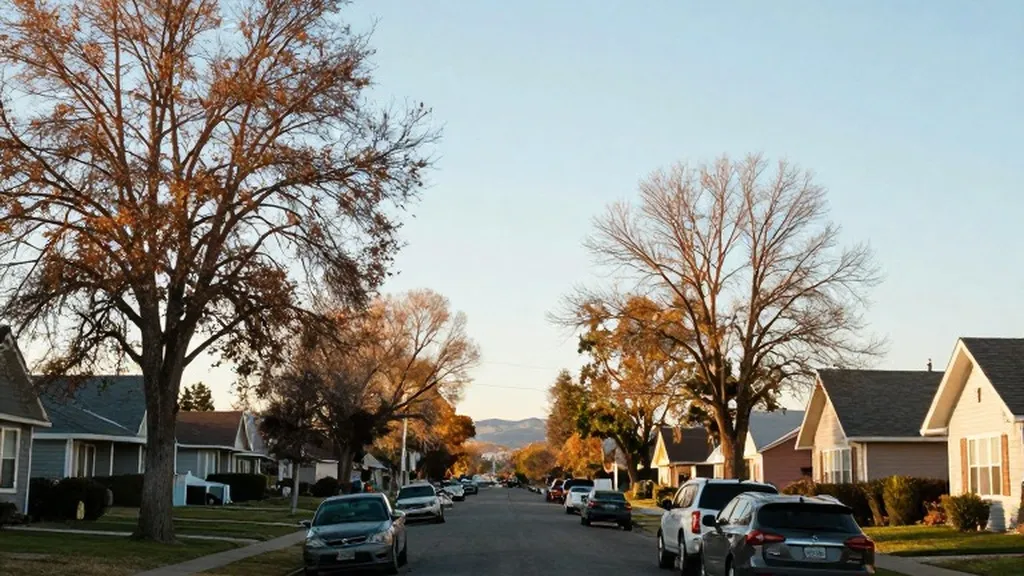
In Boise and surrounding communities, voters participated in a process that was both local and national in scope. The polls in Ada County were open from 8 a.m. to 8 p.m., with some locations potentially opening earlier at the discretion of the county clerk. This timing allowed residents of Meridian, Nampa, and Caldwell to cast their votes before the deadline. The election also included local ballot measures and municipal elections, which are critical for community governance but often overshadowed by the high-profile federal and state races.
The results in Idaho will be part of a larger national trend that has defined the 2026 midterm elections. The state’s participation in the election of the U.S. Senate and governor adds to the broader narrative of a changing political landscape. The incumbent status of both Risch and Little provided a benchmark for voters, who could choose to reaffirm their support or seek change. The inclusion of multiple minor parties on the ballot reflects the diverse political preferences of Idaho voters, who have the option to support candidates outside the two major parties.
As the final votes are tallied, the focus will shift to the official certification of results. The three-seat margin in the House means that the outcome of the election is not yet a foregone conclusion in terms of long-term stability. The 218 to 214 split indicates a highly competitive environment where every vote counts. The new maps in seven states will continue to influence future elections, as the boundaries that were drawn for 2026 will remain in place for the next cycle. This redistricting has been a subject of intense debate and will shape the political dynamics in those states for years to come.
For the residents of Ada County, the election is now a matter of watching the final numbers come in. The state’s races for governor and senate will determine the leadership of Idaho’s government, while the congressional seats will determine the state’s voice in the national legislature. The narrow margin in the House serves as a reminder that the balance of power is precarious and that the next two years will require careful navigation by both parties. The election results will be a testament to the will of the voters in Boise, Meridian, Nampa, and Caldwell, who played a crucial role in determining the outcome of this pivotal election.
The election has set the stage for the next phase of the political cycle, with the House majority hanging by a thread. The 46 battleground districts will be studied closely by analysts and politicians alike, as they represent the swing of the vote in this tight race. The new maps in seven states have already begun to reshape the political landscape, and their effects will be felt in the next election as well. For now, the focus is on the final results, which will determine the direction of the country for the next two years.