North Sea Strategy: UK Expands Drone Fleet Amidst 41% Rise in Russian Naval Activity
The Royal Navy plans to integrate autonomous sea drones with allied warships to compensate for a projected drop in frigate numbers from twelve to three by 2030.
By Justin Brooks ·
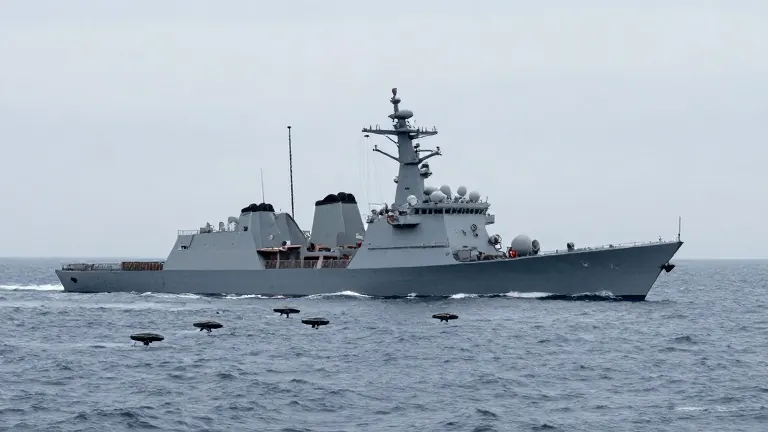
Russian naval activity around the United Kingdom surged by 41 percent in the first nine months of 2026, a figure that prompted the British government to announce a new multi national maritime defense strategy. Defense readiness minister Luke Pollard characterized the increase as a major shift requiring a change in operational tactics. The new plan centers on integrating autonomous sea drones from various partners with the warships of the Northern Navies Initiative, a group that includes the UK, the Netherlands, and the Baltic and Nordic states.
The initiative addresses a shrinking fleet. The number of British frigates is expected to fall from twelve in 2021 to just three by 2030. Pollard stated that combining manned vessels with unmanned assets would increase lethality and allow the Royal Navy to bypass ongoing debates about shipbuilding shortfalls. The strategy aims to create a flexible model where British autonomous drones can operate alongside ships from Denmark or Norway. These assets would be handed off between allied nations to ensure continuous coverage in the region.
The push for interoperability follows a warning from a cross party defense select committee last month. The committee stated that the navy risked failing to deter Russian aggression due to deficits in warships and submarines. Pollard attributed these capacity issues to previous Conservative governments, claiming they cut budgets and delayed investment. He noted that decisions made ten to fifteen years ago have resulted in fewer available ships and submarines than desired today.
To support the expansion, the UK government has allocated an additional ten billion pounds annually to defense by 2030, a measure announced by Chancellor John Healey in October. Pollard said this funding sends a clear demand signal to the industry. The government is sticking to an investment plan announced in June, which includes a 1.5 billion pound investment in sea drones over the next four years. No major new spending announcements have been made since the budget was finalized in October.
Russian vessels have been active in UK waters throughout 2026. The spy ship Yantar has operated near the coast, attempting to map undersea cables and gain a picture of critical national infrastructure. Russian frigates have escorted oil tankers in the North Sea and the Channel. In June, Russian ships fired shots near a pleasure yacht south of the Isle of Wight. Following the seizure of the Russia linked tanker Smyrtos that same month, several oil tankers have begun routing around the UK to avoid the Channel.
Pollard made these remarks at the International Sea Power conference held on the Prince of Wales aircraft carrier in Oslo. He described sailing the warship to Norway as a deterrent signal that the UK stands ready to defend NATO territory. The minister also announced an additional 90 million pounds for underwater drones and sensors to monitor the gap between Greenland, Iceland, and the UK. This area is a strategic choke point for detecting Russian submarine activity in the high north.
Ukraine’s use of cheap sea drones has demonstrated the effectiveness of this approach. These assets have destroyed about a third of Russia’s Black Sea fleet, forcing it to relocate from Sevastopol to Novorossiysk. Valerii Zaluzhnyi, the former head of the Ukrainian military and current ambassador to the UK, commented on the evolving nature of naval warfare. He stated that the complex use of sea drones suggests that the world’s navies are on the verge of the most radical transformation since the rise of torpedo technology.
More Politics · World news · Report a business · Got a Story?