Ada County voters decide Senate, governor races as Democrats sweep state
Polls in Boise, Meridian, Nampa, and Caldwell closed at 8 p.m. as voters cast ballots for U.S. Senate, governor, and local offices amid a national wave of Democratic gains.
By Aiko Nakamura ·
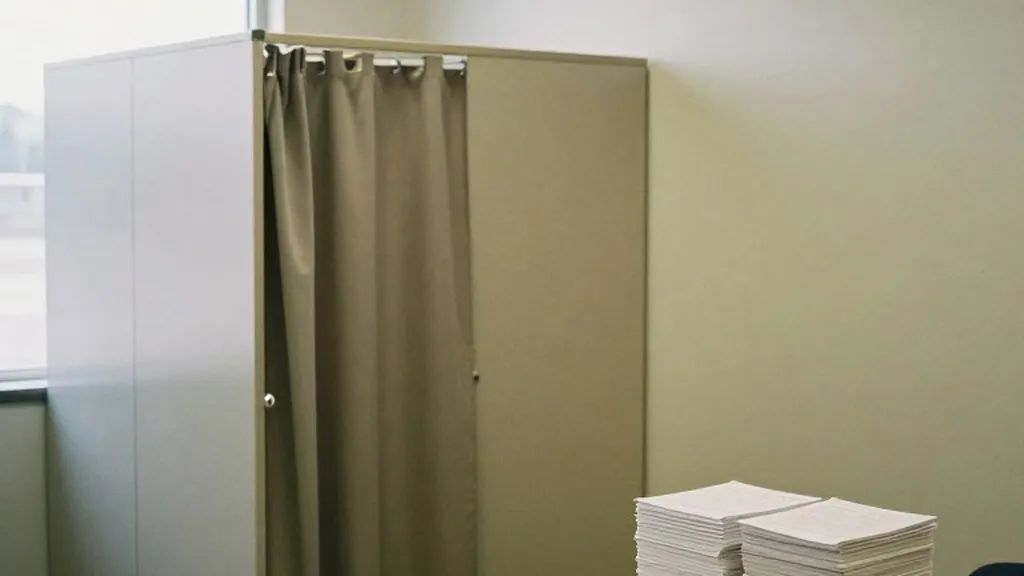
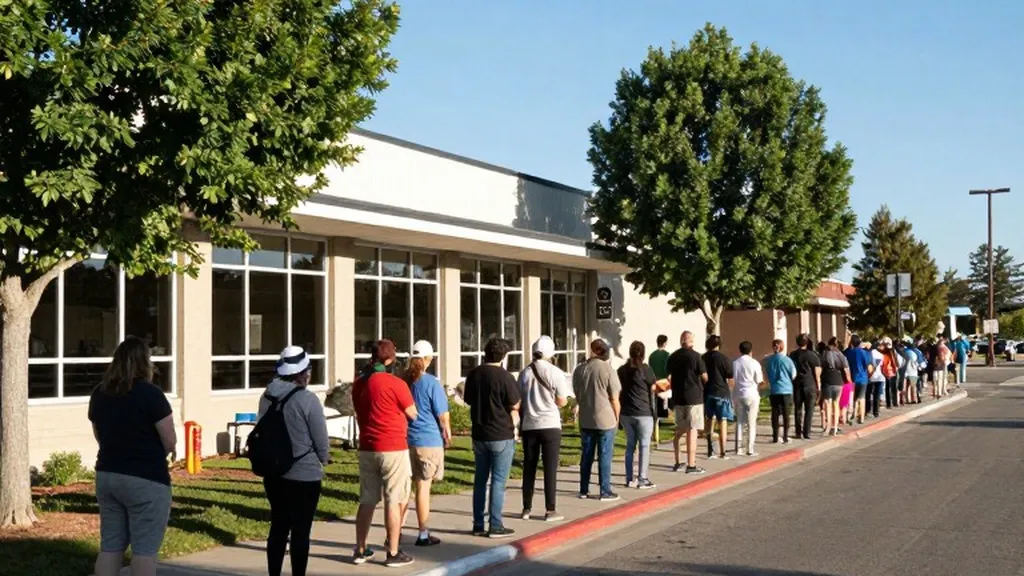
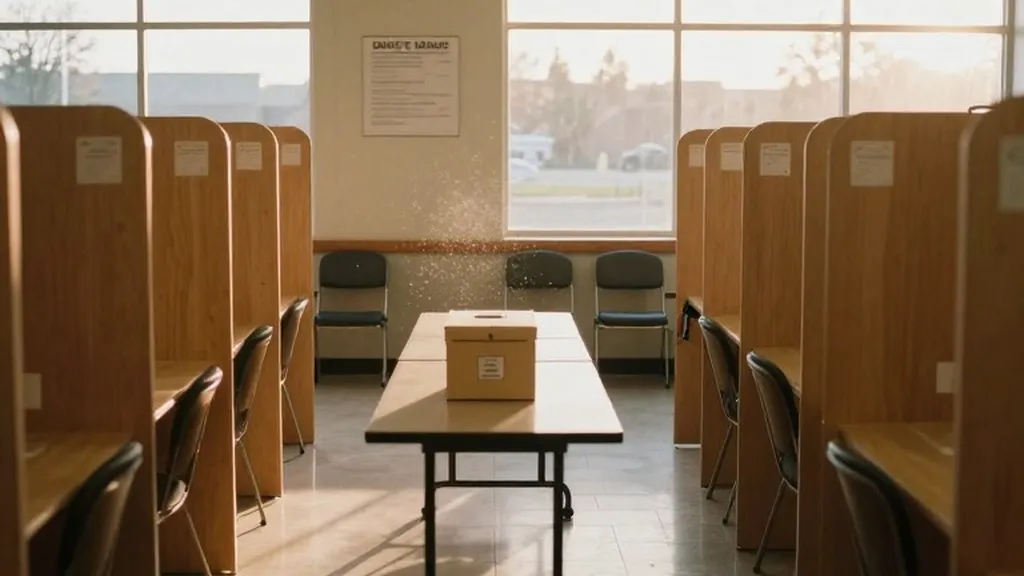
Ada County polling locations in Boise, Meridian, Nampa, and Caldwell operated from 8 a.m. to 8 p.m. on Tuesday, November 3, 2026. The county clerk had the discretion to open some polling places as early as 7 a.m., with closures occurring once all registered voters in those locations had cast their ballots. Residents of these four towns utilized these hours to participate in the general election, which featured a comprehensive slate of federal, state, and local contests. The uniform closing time of 8 p.m. provided a consistent cutoff for in-person voting across the county, ensuring that the final batch of voters could complete their ballots before the results began to be tallied.
The ballot for Ada County residents included the U.S. Senate race, where incumbent Jim Risch, a Republican, was running for re-election. The field of candidates for the Senate seat included nominees from the Independent, Libertarian, and Republican parties. Simultaneously, voters faced the contest for Idaho governor, featuring incumbent Brad Little, a Republican, seeking to retain his office. The gubernatorial race included candidates from the Democratic, Independent, Libertarian, Republican, and Unaffiliated parties. These two high-profile statewide races served as the primary focal points for many voters in the county, who sought to influence the direction of both federal representation and state leadership.
In addition to the executive and legislative federal races, every U.S. House seat in the state of Idaho was on the ballot. This meant that Ada County voters were selecting their representatives for the state's congressional districts. The ballot also included state and local offices, with specific measures and candidates varying by county. This broad scope of elections required voters to navigate multiple sections of the ballot, from federal judgeships to municipal government positions, reflecting the layered nature of American democratic participation in the region.
The national context of the election was defined by a significant shift in power, as Democrats won majorities in both the U.S. House and the Senate. According to results reported as of 4 p.m. EST on November 6, Democrats secured at least a 250 to 157 majority in the House of Representatives. They also achieved a 54 to 44 majority in the Senate, picking up seven seats that had previously been held by Republicans. This net loss of at least seven Senate seats for Republicans placed the 2026 elections in the top 20 percent of election years in terms of seat swings against a president's party, a threshold often described as a wave election.
Despite the strong performance in the Senate, the Republican net loss of at least 42 House seats fell short of the 48 seats needed to qualify as a wave election by the same standard. Uncalled races remained a factor in the final House tally, but the overall trajectory indicated a substantial gain for the Democratic Party in the lower chamber. This shift in the House majority provided Democrats with the numerical strength to advance legislative priorities and conduct oversight of the executive branch in the coming Congress.
The election results also highlighted a broader trend in state government, where Democrats won a majority of governorships for the first time since before the 2010 elections. This marked a notable reversal in state-level control, with Democrats securing a plurality of state government trifectas and state legislative chambers. The shift in state power underscored the widespread nature of the Democratic gains, which extended beyond federal offices to influence the composition of statehouses and legislatures across the country.
In Idaho, the outcome of the governor's race would determine the state's executive leadership, with incumbent Brad Little facing a multi-party field. The presence of candidates from the Democratic, Independent, Libertarian, and Unaffiliated parties alongside the Republican incumbent indicated a competitive and diverse electorate. Voters in Ada County, encompassing the major urban centers of the state, played a pivotal role in shaping the final margin of this contest, as their collective votes contributed to the statewide total.
The U.S. Senate race featured a contest between the incumbent Republican and challengers from other parties. The inclusion of Independent and Libertarian candidates on the ballot reflected the political landscape of Idaho, where third-party and independent candidates often play a visible role in elections. The result of this race would impact the state's representation in the upper chamber, where Democrats had just secured a new majority. The interplay between local voting patterns in Ada County and statewide trends would be evident in the final certification of the Senate winner.
Local offices and ballot measures also featured prominently on the Ada County ballot, allowing residents to address issues specific to their communities. Municipal government positions and school board seats were part of the election, providing voters with the opportunity to influence local governance and educational policy. These local contests often see different voting dynamics than statewide races, as candidates focus on neighborhood concerns and district-specific issues.
The election process in Ada County proceeded without major reported disruptions, with polling places in the four main towns adhering to the standard hours. The availability of voting locations in Boise, Meridian, Nampa, and Caldwell ensured that residents across the county had accessible opportunities to cast their ballots. The completion of voting at 8 p.m. marked the end of the in-person voting period, transitioning the focus to the counting of ballots and the reporting of preliminary results.
As the national picture solidified with Democratic gains in both chambers of Congress, the implications for policy and governance became clear. The new congressional majorities would take effect as the next Congress convened, setting the stage for legislative battles over the executive branch's agenda. For Ada County voters, the election represented a decisive moment in determining the composition of their federal and state representatives, with the results reflecting both local preferences and broader national trends.