Bunker Hill Mine Reaches First Concentrate Ahead of 2026 Target
The Kellogg operation is processing 1,200 tons daily while aiming to reach 1,800 tons by year's end.
By Aiko Nakamura ·
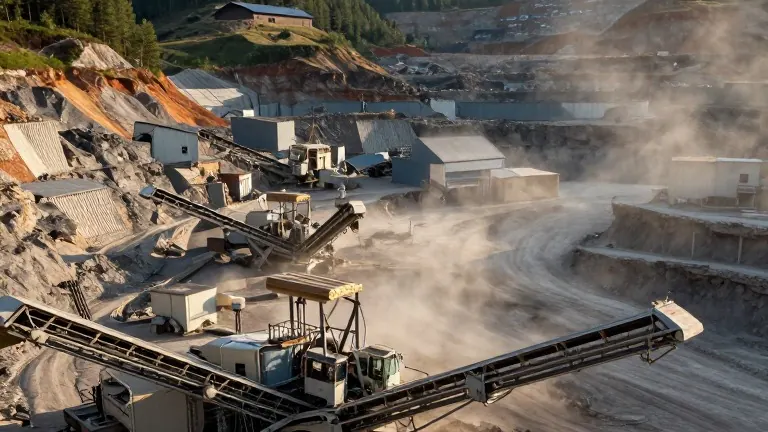
The Bunker Hill Mine in Kellogg, Idaho, produced its first metal concentrate this summer.
Sam Ash, chief executive officer of Bunker Hill Mining Corp., stated that the company will achieve commercial production by the end of 2026. The project has been under development for six years following a closure that lasted four decades. The facility is currently processing approximately 1,200 tons of ore per day.
The mine aims to increase that volume to 1,800 tons daily. Sam Bourque, a geologist with the company, attributed the ability to mine previously uneconomic ore to advancements in processing technology and rising metal prices. Bourque noted that these factors allow the company to pursue profitability with full expectations of success.
Bourque emphasized the historical connection the mine holds with the Silver Valley. He said the restart creates the potential for four more generations of prosperity for local families. For many workers, the return of the mine marks the end of a long wait for stable employment in the region.
Benjamin Davenport, executive vice president of the Idaho Mining Association, observed that global demand for domestically produced critical minerals is driving the expansion. He stated that Idaho possesses diverse mineral resources that are drawing international attention.
Briana Halstead, director of permitting and planning at KC Harvey, explained that environmental reviews focus on the magnitude and permanency of project impacts. She said the federal NEPA process allows stakeholders to voice concerns and learn about project designs. Developers may adjust their plans if valid issues arise during this permitting phase.
The Environmental Protection Agency has documented long-term environmental changes in the region resulting from past mining and smelting activities. These changes often involve water quality and wildlife habitats. Halstead said project design must account for these issues to minimize potential impacts.
Source: KIVI-TV · original report published
More Business · Boise news · Unethical Practices · Report a business · Got a Story?