Idaho voters keep Risch, Little; Democrats surge nationally
While the state held its traditional Republican grip on key offices, Boise and surrounding communities witnessed a historic national shift that redefines the balance of power in Washington.
By Aiko Nakamura ·
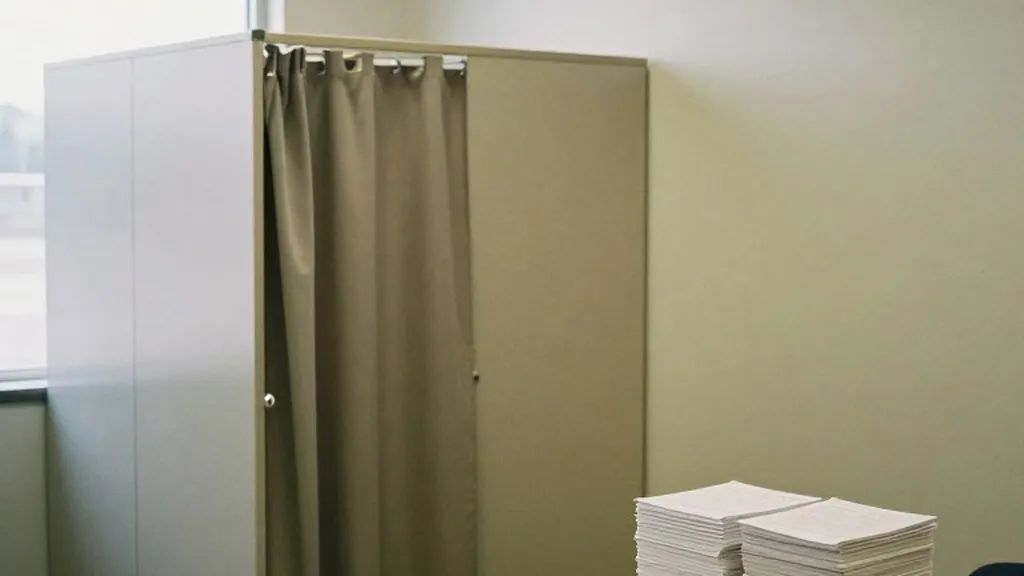
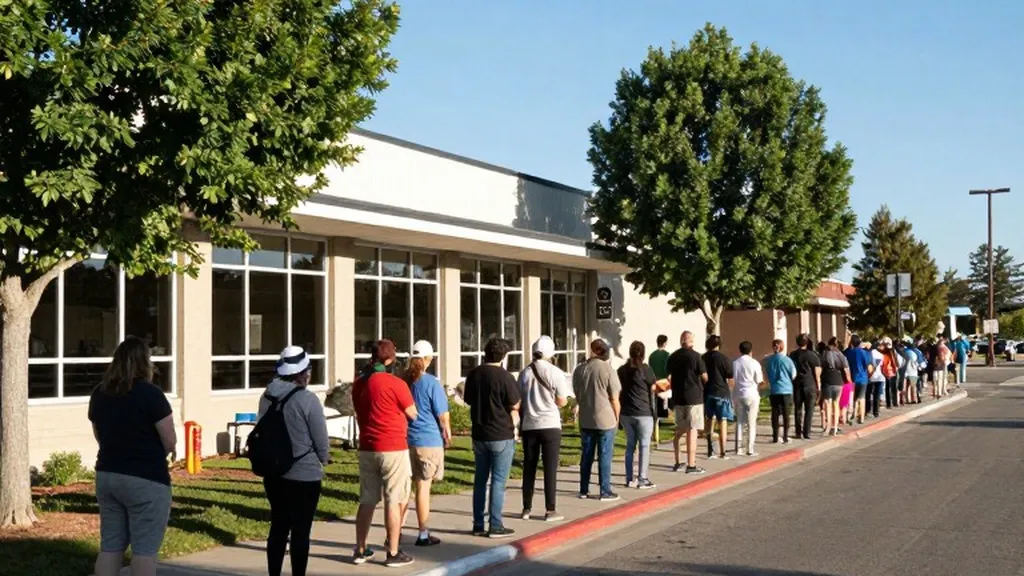
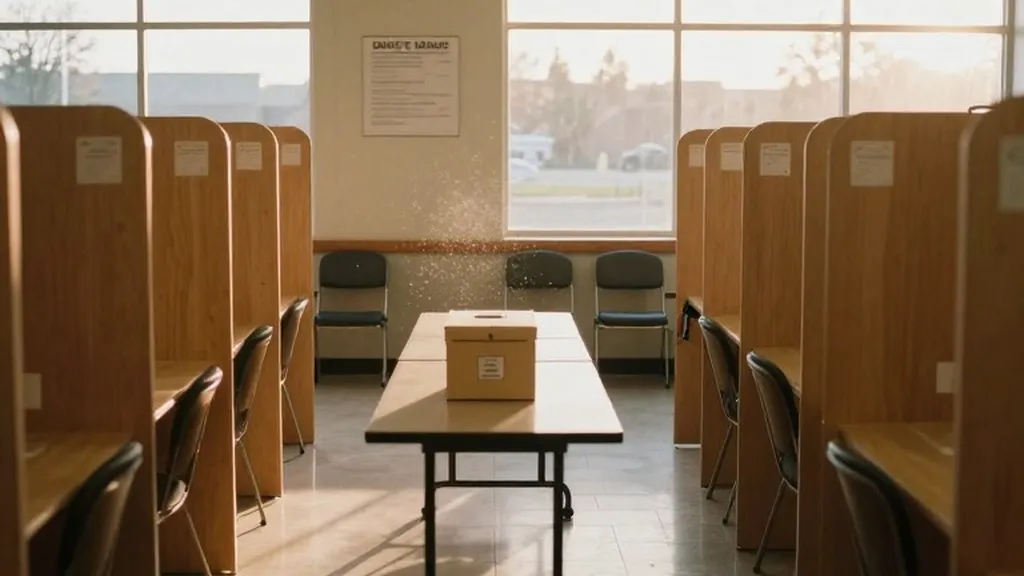
Idaho voters on Tuesday, November 3, 2026, maintained the state's strong Republican tradition by electing incumbent U.S. Sen. Jim Risch and incumbent Governor Brad Little to new terms. In a year defined by a significant national realignment, the state's results show a resilient local electorate that prioritized established leadership during a period of high national tension. Polls across the state were open from 8 a.m. to 8 p.m., with some locations opening at 7 a.m. at the discretion of county clerks. The election included races for every U.S. House seat in the state, as well as state and local offices and measures that vary by county.
The stability in Boise, Meridian, Nampa, and Caldwell reflects a broader pattern in Idaho where the Republican party has maintained control of the governor's mansion and the state's single U.S. Senate seat. Governor Brad Little, who was up for reelection, continues his second term with the mandate to lead the state's executive branch. Sen. Jim Risch, the incumbent, also secured his position, ensuring continuity in the state's representation in the federal chamber. The ballot for the Senate race included candidates from the Independent, Libertarian, and Republican parties, while the gubernatorial race featured candidates from the Democratic, Independent, Libertarian, Republican, and Unaffiliated groups.
While Idaho held steady, the national picture shifted dramatically. Democrats won a resounding victory in the midterms, securing healthy majorities in both the House and the Senate. This outcome sets the stage for an intense confrontation between the executive branch and Congress in the coming years. President Donald Trump, reacting to the results, declared on social media that the investigative requests already made by Democrats are extortion at the highest level. He signaled a combative stance toward the new congressional leadership, suggesting that the remaining two years of his term will be defined by a test of congressional power to check the White House.
The new Democratic leadership in Congress has signaled an aggressive approach to oversight. Rep. Robert Garcia of California, who is poised to chair the House Oversight Committee, stated that the days of not fighting back are over. He described the incoming investigations as targeting what he calls the Trump crime family. Democratic House leader Hakeem Jeffries of New York, who is on the cusp of becoming the nation's first Black House speaker, said impeachment is an option if those in power are shortchanging the American people. This rhetoric contrasts with the more measured tone often seen in state-level politics, where candidates like Little and Risch focused on local stability and continuity.
The national surge for Democrats was highlighted by several historic firsts. Peggy Flanagan of Minnesota became the first Native American woman elected to the U.S. Senate. Deb Haaland of New Mexico made history as the first Native American woman elected to a state governorship. Crystalyne Curley was elected the first woman president of the Navajo Nation, a milestone that many in the community viewed as a turning point for Native women's leadership. These victories represent a seismic shift in political representation, with advocates noting that decades of organizing are finally bearing fruit. For voters in the Treasure Valley, these national developments underscore a changing landscape that will influence federal policies affecting the state.
The election also saw a significant focus on the issue of checks and balances. About 7 in 10 voters nationally said Congress is not doing enough to provide checks and balances on the presidency, according to a survey of more than 100,000 midterm voters. This sentiment appears to have driven the Democratic turnout in key districts. In Idaho, where the Republican party has long held the state's congressional delegation, the national wave did not overturn the local results, but it sets the context for how the state's representatives will navigate their work in a Congress led by the opposing party. The state's U.S. House seats were all on the ballot, and the results will determine the composition of the state's delegation in the new Congress.
In New Mexico, Deb Haaland, a citizen of the Laguna Pueblo, will take office as governor with a mandate to make life more affordable and address education outcomes. Her victory is part of a broader wave of milestone wins for Native American women in politics. In Minnesota, Peggy Flanagan, a citizen of the White Earth Nation, credited her community for her Senate victory. She noted that she could not run without the support of Native women. These stories of historic firsts provide a contrast to the steady state of Idaho's elections, where the focus was on maintaining the status quo for the state's top offices. The national narrative is one of change and accountability, while the Idaho narrative is one of continuity.
The reaction from the White House to the Democratic wins has been swift and sharp. Attorney General Todd Blanche echoed the president's combative tone, stating that criminal investigations of Democrats are possible. He argued that Democrats are not allowed to threaten existing members of the administration. This sets the stage for a potentially contentious relationship between the new Congress and the White House. For Idaho, this national dynamic could mean increased scrutiny of federal agencies that manage funds and programs within the state. The state's leaders will need to navigate this new political environment while focusing on local issues such as infrastructure and economic development.