Yemen market strike kills 30
Trump calls Qatar’s emir on regional de-escalation as Yemeni airstrikes and West Bank detentions complicate Middle East tensions.
By Aiko Nakamura ·
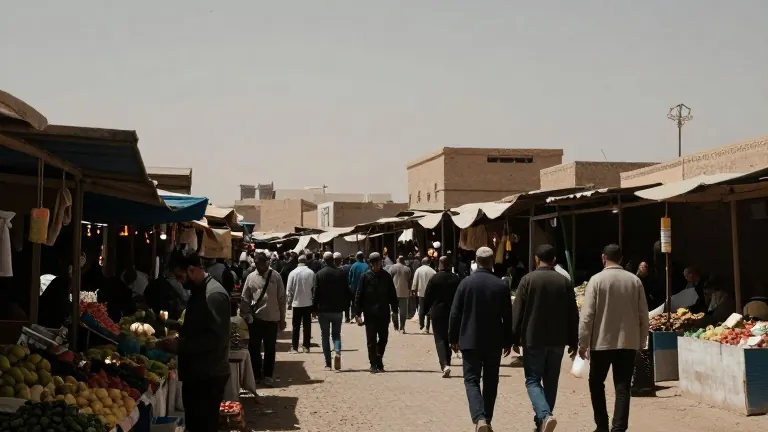
Airstrikes on a market in southwestern Yemen killed at least 30 people on Friday, according to the Houthi-run health ministry. The strikes landed in the town of al-Waziyah in Taiz province. A Houthi health ministry spokesperson, Anees Alsabahi, confirmed the toll on X and reported that eight additional people were wounded.
The attack marks one of the deadliest incidents since fighting resumed between the Houthis and Saudi-backed government forces. Both sides traded accusations over responsibility for the strike. The Associated Press could not independently verify the claims.
In Washington, President Donald Trump discussed de-escalation efforts with Qatar’s Emir Sheikh Tamim bin Hamad al Thani during a telephone call on Friday. The Qatari ruler's media office stated that the conversation centered on international efforts to end regional tensions. The two leaders focused on Qatar’s mediation work aimed at reaching a comprehensive agreement that ends the crisis and ensures stability.
Qatar has been mediating between the United States and Iran to end the war. Gulf Arab countries aligned with the U.S. came under heavy Iranian fire earlier in the conflict. These nations remain anxious to avoid new escalation that could leave them vulnerable to further attacks. The Qatari statement noted that Sheikh Tamim stressed the importance of continuing dialogue and diplomatic means to resolve disputes. He also emphasized ensuring freedom of maritime navigation and the security of energy supplies.
Iran’s Foreign Minister Abbas Araghchi held separate phone calls with his Iraqi and Tunisian counterparts on Friday. He outlined diplomatic progress aimed at easing tensions. According to Iraq’s state media, Araghchi presented Iran’s vision for resuming negotiations with the U.S. to Iraq’s Foreign Minister Fuad Hussein. The proposal includes reopening the Strait of Hormuz, setting a timetable for negotiations, and adding issues related to Iran’s nuclear program.
Earlier in the week, Araghchi spoke with Turkish and Gulf leaders about regional developments. Egyptian Foreign Minister Badr Abdelatty stressed the need for diplomatic solutions during a call with Araghchi on Thursday. Egyptian Foreign Ministry spokesman Nader Zaki said Abdelatty urged all sides to display flexibility and compromise to reach a political solution.
In the West Bank, Italy’s Foreign Ministry said it is seeking the release of several Italians detained by Israeli authorities. The group, which may include four activists and two journalists, was assisting Palestinian farmers during the olive harvest. The detainees are held at a police station in the Israeli settlement of Modi’in Illit. Italy’s embassy in Tel Aviv and consulate in Jerusalem have requested their immediate release and consular access. The detainees are expected to be transferred to a holding facility at Ben Gurion Airport pending deportation on the first available flights.