Tanzania opposition chief Tundu Lissu convicted of incitement
A Dar es Salaam court acquitted the Chadema leader of treason but found him guilty of incitement, with sentencing pending.
By Aiko Nakamura ·
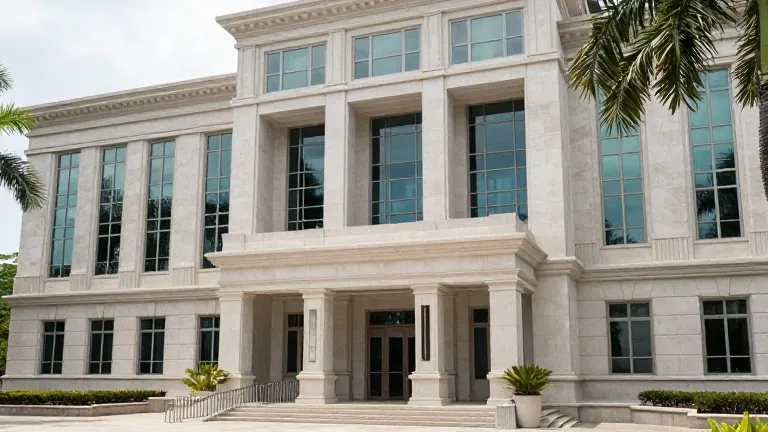
Tanzania’s High Court in Dar es Salaam has found Tundu Lissu, the leader of the main opposition Chadema party, guilty of incitement. A panel of three judges delivered the verdict on Thursday, marking a key development in a trial that has drawn international scrutiny of the country’s political climate. The court simultaneously acquitted Lissu of the more severe charge of treason, ruling that prosecutors had not proven a critical element of that case.
The 58-year-old politician has been in detention since April 2025, roughly six months before the October 2025 general election. He faced charges stemming from remarks made during a campaign for electoral reforms under the slogan “No Reforms, No Election.” Prosecutors argued these comments were intended to incite the public to disrupt the vote and threaten the government. Lissu, who acted as his own lawyer during the proceedings, maintained that his statements were standard political rhetoric and that prosecutors took them out of context.
The legal team for the defense highlighted specific demands made by Chadema, including independent appointment of electoral commissioners and the ability to challenge presidential results in court. Lissu argued these were legitimate constitutional proposals rather than criminal acts. The judges have not yet announced the specific sentence for the incitement conviction, though they have granted Lissu leave to appeal to the Court of Appeal, which serves as the country’s highest court.
Lissu’s case intersects with the disputed outcome of the October 2025 election, which President Samia Suluhu Hassan won with 98% of the vote. The opposition labeled that result a mockery of democracy, particularly because Lissu and another major challenger were excluded from the ballot. Following the poll, widespread protests erupted and were met with a violent security crackdown. An official inquiry reported at least 500 deaths, a figure opposition groups claim is an undercount.
During his time in remand custody at Ukonga Prison, Lissu undertook two brief hunger strikes, citing restricted access to legal counsel and family. He also alleged that prison guards monitored private lawyer consultations, claims denied by prison authorities. International rights organizations, including Amnesty International, have expressed concern over the treatment of opposition figures. The group accused the government of using counterterrorism laws to silence critics and instill fear.
President Suluhu Hassan, 66, has repeatedly defended her administration’s handling of the unrest. She characterized the violence as part of a foreign plot to overthrow her government and blamed external actors for the instability. Her government has denied targeting political opponents and rejected accusations of widespread repression. The ruling Chama Cha Mapinduzi party, along with its predecessor Tanu, has dominated Tanzanian politics since independence.
Lissu has been one of the most outspoken critics of the ruling party for years. He first entered parliament in 2010 representing a constituency near his birthplace in Singida, located 320km northwest of the capital Dodoma. In 2017, he survived an assassination attempt in which gunmen sprayed his vehicle with bullets outside his Dodoma home. He spent several years in exile following that attack but returned to Tanzania in 2023 after President Suluhu lifted a ban on opposition rallies. He became Chadema’s national chairman in January 2025, intensifying his push for electoral changes just before the disputed vote.
The authorities have not yet responded to requests for comment regarding the verdict. Lissu’s legal team plans to file an appeal while awaiting the formal sentencing decision from the High Court judges.