US Debt Interest Tops Military Budget as New Congress Confronts Trump
With deficits near $2 trillion and inflation at 3.7%, the new Democratic majority faces immediate pressure to manage federal spending while the Federal Reserve gains independence.
By Samantha Reed ·
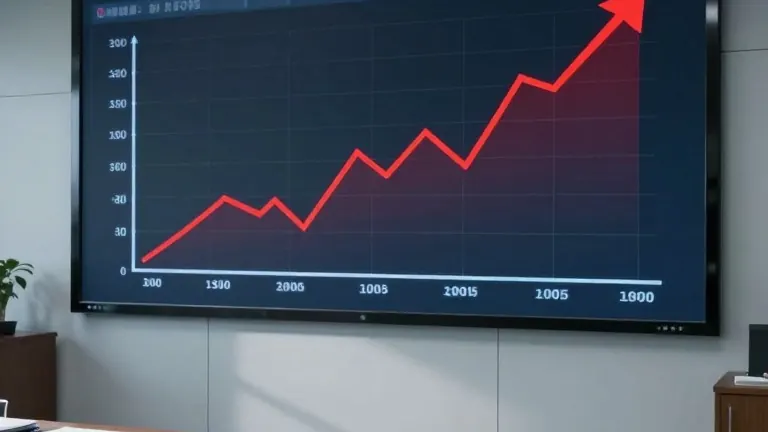
The United States government now pays more than $1 trillion annually in interest on its national debt, a figure that has surpassed the federal budget for the military. This financial reality lands as the new Democratic majority in Congress prepares to take office, setting the stage for a potential clash with President Donald Trump over how to address chronic budget shortfalls.
Federal revenue currently fails to cover the rising costs of Medicare, Medicaid, and Social Security, resulting in annual deficits of approximately $2 trillion. Treasury Secretary Scott Bessent has indicated that the administration will release a fiscal consolidation plan soon, a strategy being developed in collaboration with White House budget director Russell Vought. The plan is expected to follow the midterm elections and may involve a mix of tax increases and spending cuts to reduce the gap.
Inflation remains a central concern for voters, with the Consumer Price Index rising at an annual rate of 3.7%. This increase is partly attributed to tariffs and the war against Iran that began in February. President Trump, who previously argued that a Democratic victory would trigger an economic depression, stated last week that he expects to work with the new congressional majority unless they act destructively.
Despite strong employment data released Friday showing 165,000 new jobs and a drop in unemployment to 4.1%, Trump signaled he would continue to fight for his supporters. He sent a text message to followers stating he would veto any legislation that harms the United States, even with Democratic control of Congress.
The shift in power may benefit the Federal Reserve, which has struggled to reach its 2% inflation target for nearly six years. Douglas Holtz-Eakin, president of the American Action Forum, suggested that a Democratic Senate could block Trump from filling Federal Reserve vacancies. This would reduce presidential pressure on the central bank, allowing Chair Kevin Warsh to pursue aggressive inflation control measures without political interference.
Economists also point to the rapid expansion of artificial intelligence as a key economic factor. Jason Furman of Harvard University noted that data center construction spending rose by 80.6% in the past year, while spending on housing, schools, and factories declined. While this investment drives growth, it has created volatility in the stock market and raised concerns among voters about job losses and cybersecurity risks.
John Cochrane, an economist at Stanford University’s Hoover Institution, argued that the Federal Reserve’s efforts to fight inflation would be more effective if the government reduced its deficits. He emphasized that both monetary and fiscal moderation are required to stabilize the economy and lower interest rates.
More Business · Unethical Practices · Report a business · Got a Story?