Music and memory keep Kahoʻolawe’s fifty-year struggle alive
A new album and a concert at Bishop Museum mark the anniversary of the movement to protect the Hawaiian island from military bombing.
By Justin Brooks ·
Fifty years after activists landed on Kahoʻolawe to protest military activity, the island’s story remains central to Hawaiian identity. The Protect Kahoʻolawe ʻOhana, the group formed by that initial landing, is marking its 50th anniversary with a new album and a public concert. The events aim to preserve the concept of aloha ʻāina, or love for the land, through music and direct engagement with the island’s history.
The 1976 landing involved nine people who arrived at the island to draw attention to the United States’ illegal overthrow of the Hawaiian Kingdom. Upon arrival, the activists found the land scarred by nearly 50 years of military bombing. The physical destruction they witnessed led them to organize efforts to protect and heal the site. The bombing finally ceased in 1990, ending a period of conflict that lasted nearly 15 years of continuous advocacy.
To mark the anniversary, UH Hilo faculty member Isaac ʻIkaʻaka Nāhuewai helped produce an album titled 50 Years of Aloha ʻĀina. The recording features 12 original mele, or songs, and is available on digital music platforms. Nāhuewai, who also holds the title of Ikaakamai, recruited collaborators and directed the Protect Kahoʻolawe Band for the project. He wrote the songs and produced five of the tracks alongside other artists.
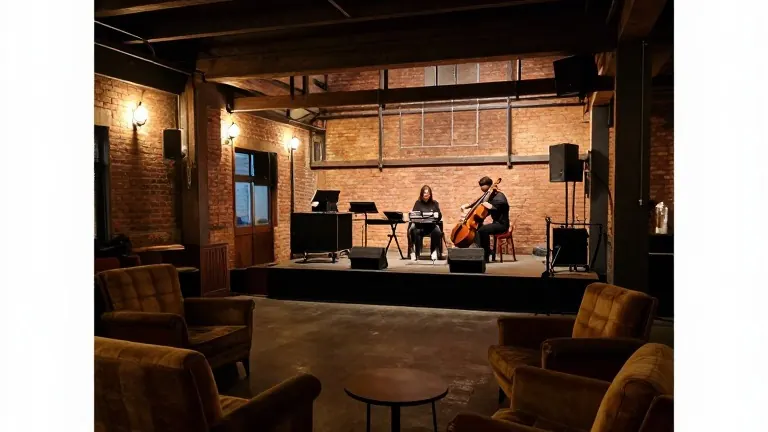
A concert will take place on November 13 at the Bishop Museum in Honolulu. The event runs from 5 to 9 p.m. on the museum’s Great Lawn and features performers including Ikaakamai, Kimié Miner, and Kaʻikena Scanlan. Proceeds from the concert will support the Protect Kahoʻolawe ʻOhana. Nāhuewai described the act of singing together as a way to create collective spirit and foster aloha lāhui, or love for the people.
The anniversary celebrations extend beyond the music. UH faculty and students continue to teach and practice on the island. Kaipu Keala, an assistant professor at UH Mānoa’s Kamakakūokalani Center for Hawaiian Studies, views the movement as a way to affirm Hawaiian beliefs as a foundation for daily life. He argues that aloha ʻāina functions as a sacred relationship rather than just a slogan, guiding responsibilities in a manner that carries a religious dimension.
Kumu Kaliko Baker, an associate professor at the Kawaihuelani Center for Hawaiian Language, integrates these values into classroom instruction. She helps lead the I Ola Kanaloa program, which brings students to Kahoʻolawe. During these trips, students practice ʻŌlelo Hawaiʻi, care for historical sites, and remove invasive plants. They also engage in traditional practices such as haku mele, or song composition. Baker noted that students today have more structured pathways to engage in this work compared to the earlier era of the movement.
Logistical support for these educational trips often comes from families with long-standing ties to the island. Kaulu Luʻuwai, an attorney with UH Mānoa’s Ka Huli Ao Center for Excellence in Native Hawaiian Law, belongs to one such family. Her grandfather began transporting visitors and supplies to Kahoʻolawe in 1983. That service started after her uncle, a student in a UH ethnic studies class, helped arrange transportation. Today, her father and brothers continue the work using the family boat, Pualele.
Luʻuwai describes the transportation role as a heavy kuleana, or obligation. She emphasizes that it is a generational commitment that cannot simply be stopped. The family’s work ensures that volunteers reach the island safely to support the ʻOhana’s ongoing restoration efforts. The November 13 concert serves as a public culmination of these internal and external efforts to keep the island’s legacy visible.
Source: University of Hawaii News