G20 Talks: Europe's Russia Quagmire Cancels Group Photo, Threatens Joint Statement
Secretary of State Marco Rubio scrapped the opening photo after European diplomats objected to standing with Sergey Lavrov, setting a tense tone for the Atlanta meetings.
By Samantha Reed ·
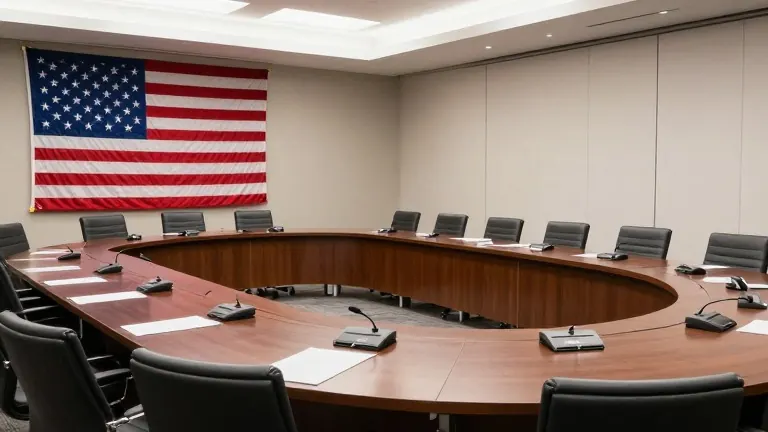
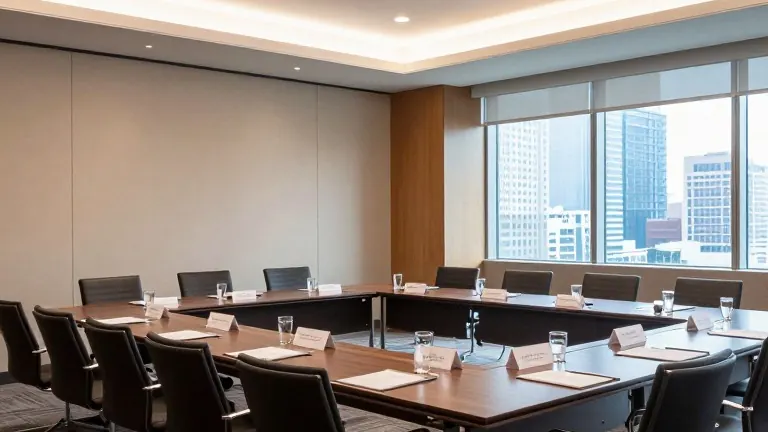
Secretary of State Marco Rubio canceled the traditional opening group photo for the G20 foreign ministers' meeting in Atlanta on Friday, a move that signaled deep divisions over Russia's role in the bloc. Several European officials threatened to walk out of the snapshot if Russian Foreign Minister Sergey Lavrov participated, forcing the U.S. hosts to scrap the image to avoid a public scene.
Rubio opened the talks by urging unity on economic and geopolitical crises. He told his colleagues that the world faces severe threats to the foundations of the global economic order, pointing to disruptions in energy, food supplies, and trade. Despite this appeal, diplomats described the opening session as cordial but noted that consensus remained elusive on key issues.
The group failed to agree on a joint communique for the end of the two-day meeting, according to participants. Disputes center on the Russia-Ukraine conflict, the U.S.-Israeli war against Iran, U.S. tariffs, and tensions in the South China Sea. These disagreements, combined with the decision to invite Poland as a guest, have made a unified statement unlikely.
Radosław Sikorski, representing Poland in its first appearance as a G20 guest, acknowledged the difficulty of reaching agreement. He noted that having war participants at the table makes it hard to agree on a common line. Sikorski also stated that he was not the only official who did not want to be photographed with Lavrov.
European leaders voiced strong objections to Russia's presence. British Foreign Secretary Ed Milliband said the group must work harder to secure peace in Ukraine, describing Russia's actions as an assault on international law. German Foreign Minister Johann Wadephul added that there is no normality with Russia, warning that the group must not send falsely optimistic signals.
Lavrov defended Moscow's position when speaking to Russian reporters. He said Ukrainian President Volodymyr Zelenskyy's stance on long-range strikes hinders preparation for the planned three-way talks next month. Lavrov also criticized Poland's inclusion, stating it violates diplomatic principles and adds nothing to the grouping.
The meeting also addressed the absence of South Africa, a founding G20 member. U.S. officials said they made a conscious choice to invite only formal members this year. South African spokesperson Phindile Kunene said the country's nonparticipation was not voluntary and that it is ready to join when Britain takes over the presidency next year.
The U.S. State Department announced Friday that it approved a $2.1 billion sale of Patriot air defense interceptors for Ukraine. Meanwhile, the prospect of renewed U.S. military action against Iran hangs over the discussions. Rubio met with Saudi and Turkish counterparts to discuss stability in the region, with U.S. officials telling allies to prepare for potential strikes after the midterm elections.
Source: The Mercury