South Dakota Officials Urge Residents to Clear Gas Vents Before First Snowfall
State agencies warn that an emerging El Niño pattern could increase the risk of wet snow and prolonged outages in western South Dakota.
By Justin Brooks ·
State and federal weather agencies in South Dakota issued specific maintenance instructions for homeowners on Wednesday, citing a developing El Niño pattern that could intensify winter storms in western South Dakota. The guidance comes from the South Dakota Public Utilities Commission and the National Weather Service, which marked October 28 as Winter Weather Preparedness Day.
Aaron Woodward, a Warning Coordination Meteorologist with the National Weather Service, explained that the El Niño pattern may allow storm systems to pull moisture from the south. When that moisture meets cold air, the result is often heavy, wet snow. Woodward emphasized that these systems can develop rapidly, making pre-storm preparation essential for residents.
The primary risks during severe winter events include prolonged power outages, frozen pipes, and loss of heat. In response, PUC Chairman Chris Nelson advised residents to assemble emergency kits and verify that carbon monoxide detectors are functioning. He noted that simple preventive steps taken before an emergency strikes are more effective than reactive measures during a blizzard.
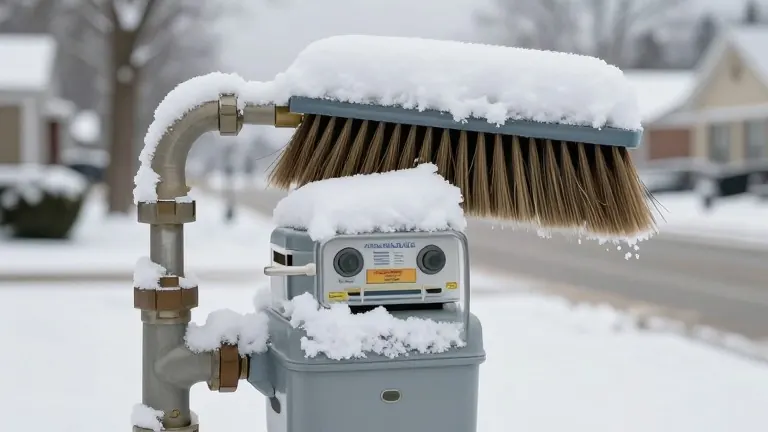
Kristie Fiegen, Vice Chairperson of the PUC, directed natural gas customers to focus on exterior equipment. She stated that keeping gas meters and exhaust vents clear of snow and ice should be a regular winter routine. Fiegen recommended using a broom or soft brush for a few minutes after each storm to protect the equipment and ensure safe ventilation.
Woodward also highlighted the importance of outdoor plumbing maintenance. He urged homeowners to blow out residential irrigation and sprinkler lines before snow accumulation begins. This step prevents pipes from cracking when the system freezes, a common issue that surfaces in the spring after a harsh winter.
For drivers, officials recommended creating vehicle survival kits. These kits should contain heavy coats, blankets, non-perishable food, jumper cables, flashlights, and traction aids like sand or kitty litter. The NWS also reminded residents to keep batteries charged for weather radios and to have phone chargers accessible in case of power loss.
Source: KOTA-TV