NOAA: Idaho Braces for Warmer Winters and Drought Worsening
El Niño influences are expected to shift temperatures and precipitation patterns across the state this winter.
By Aiko Nakamura ·
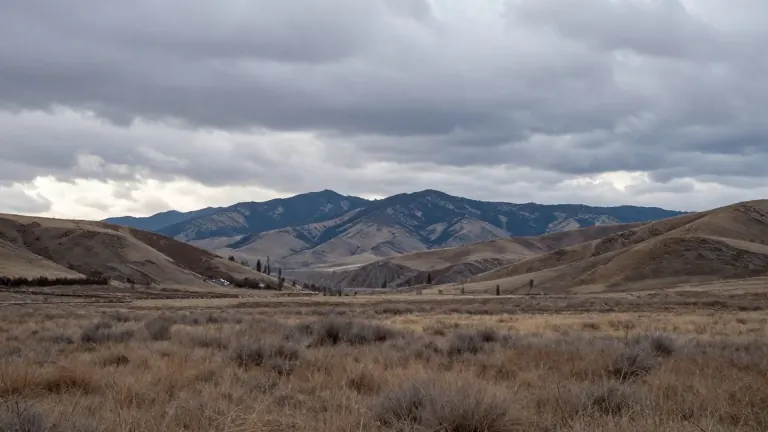
The National Oceanic and Atmospheric Administration projects that Idaho will experience warmer-than-average temperatures this winter.
NOAA released its 2026/27 U.S. Winter Outlook on October 27, 2026. The forecast covers the period from December 2026 to February 2027. Forecasters state that warmer conditions are expected across the northern United States. Wetter conditions are likely across the southern United States. These wetter conditions may improve drought situations in the East, Southern Great Plains, and Southwest.
Ken Graham, director of NOAA’s National Weather Service, attributed these shifts to a very strong El Niño. He explained that the phenomenon typically causes a southward and eastward shift in the jet stream. This shift increases the odds of stormier weather in the South. Graham noted that while higher precipitation can relieve drought, it can also fuel flash floods and mudslides on dry soil. He urged communities and individuals to plan ahead for the upcoming season.
For the inland Northwest, the seasonal temperature outlook favors above-average heat. The Treasure Valley has a 33 to 40 percent chance of seeing above-average temperatures. The lower Treasure Valley and West Central Idaho mountains carry a 40 to 50 percent chance of above-average temperatures. NOAA emphasized that these figures indicate probability rather than intensity.
The seasonal precipitation outlook shows equal chances for the inland Northwest. Exceptions exist for the Idaho panhandle and portions of northeastern Idaho. These areas, along with almost the entirety of Montana, face a 33 to 50 percent chance of drier-than-average conditions.
A drought outlook included in the report covers October 15, 2026, to January 31, 2027. Forecasters indicated that drought conditions are favored to develop or worsen across parts of the northern Rockies, northeastern Oregon, and eastern Washington. The map shows the entirety of Idaho facing potential drought impacts. A majority of the state is set to see existing drought worsen or new drought develop. A large swath of southern Idaho is the only region expected to see drought remain unchanged through the winter season.
NOAA will release its next update on November 19, 2026.
Source: KBOI · original report published