JUMP hosts seventh annual Day of the Dead gathering
The Boise event featured ofrendas, traditional food, and performances to teach visitors about the history of the holiday.
By Samantha Reed ·
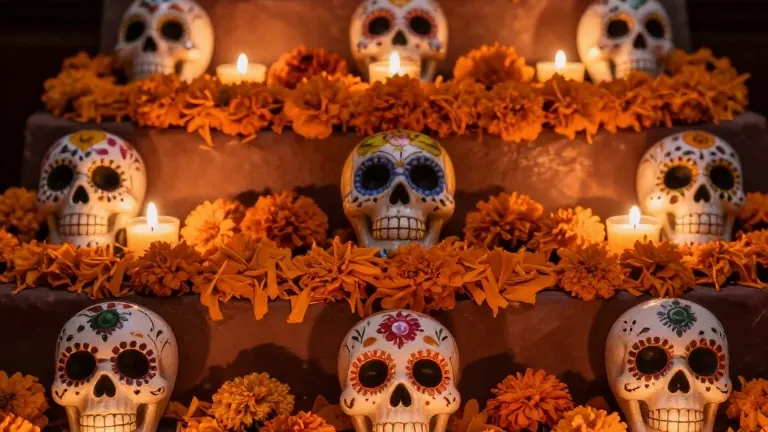
JUMP welcomed the Boise community to its annual Día de los Muertos celebration on November 2.
The event marked the seventh year the organization has hosted the gathering. Organizers Bailey Carpenter and Karen White said the celebration is open to anyone, regardless of whether they personally observe the holiday. Carpenter emphasized the need for cultural accuracy. “We want to make sure that they (people) know the cultural accuracies behind it and not make any assumptions about holidays that they might not be used to,” Carpenter said.
Norma Pintar served as the contracted planner for the event. Pintar selected the performers and coordinated with JUMP staff to arrange decorations and prepare the altars. Carpenter and White stated they relied on Pintar’s expertise to ensure the experience reflected the holiday’s cultural significance. Informational posters displayed throughout the venue provided visitors with historical context.
The ofrenda serves as the central element of the holiday. These altars are not places of worship but are arranged to welcome the spirits of deceased loved ones. They contain candles, personal belongings, and photographs of those who have passed. Marigold petals are scattered across the altars and around gravesites. Traditional beliefs hold that these flowers guide wandering spirits back to their families.
The holiday originated thousands of years ago among the Aztec, Toltec, and Mayan civilizations. For these cultures, death was a natural part of life, and the deceased remained spiritually connected to their communities. Modern observances blend these Indigenous practices with Spanish Catholic traditions. The celebration takes place on November 1 and 2, which coincide with All Saints’ and All Souls’ Days on the Catholic calendar.
Sugar skulls are a key symbol of the day. In Western culture, skeletons are often associated with fear. In the Indigenous Mesoamerican context, the skull represents remembrance and the afterlife. Irma Martín, an attendee, explained the symbolism. “In the Indigenous culture, the indigenous roots of the Mesoamerican people, Día de los Muertos is about embracing our dead,” Martín said. “La Calavera, which is the (skull), is used as a remembrance of that afterlife.” The skulls are typically decorated with bright colors and smiling faces.
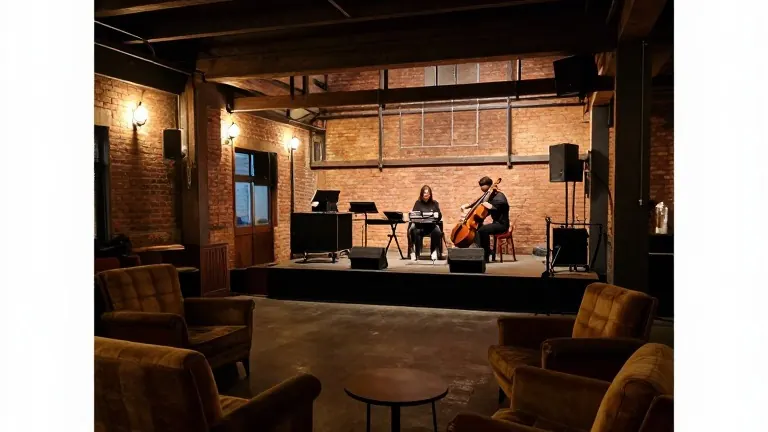
The event featured cultural performances from local dancers and singers. Attendees also enjoyed traditional food, including pan de muerto. White noted the contrast between American views on loss and the traditions observed in Latin America. “Growing up here, it’s always been such a sad thing when you lose someone,” White said. “It’s such a beautiful thing to be around a culture that just celebrates the people that we’ve lost.”
Carpenter highlighted the value of community learning. “It is important to learn new things and learn about the other people in your community who celebrate things different than you,” Carpenter said. The holiday is widely celebrated throughout Latin America, distinguishing it from Halloween, which is often associated with costumes and mischief in American pop culture.
Source: The Arbiter (Boise State) · original report published
More Culture · Boise news · Report a business · Got a Story?