Data Center Health Fears Threaten Incumbents Ahead of Midterms
New research linking massive computing facilities to pollution and chronic illness is turning a business issue into a political liability in key swing states.
By Aiko Nakamura ·
Political opponents in Arizona and Ohio are weaponizing new health data to challenge elected officials who previously supported data center expansion. The strategy targets incumbents in rural areas where these facilities are most concentrated. A memo from the National Republican Senatorial Committee described the issue as an anchor hanging around the neck of one candidate. This shift marks a rapid change in local sentiment across the country.
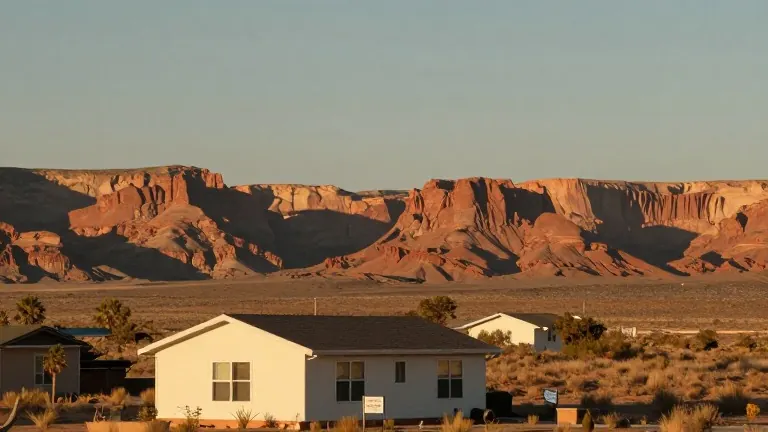
Doug Herrera, 64, stands on his front porch in Page, Arizona. His yard sign reads No Data Centers. Herrera lost his father to cancer and fears a nearby $10 billion project will affect his own health. The City Council there approved the sale of 500 acres for the development. Zoning and other approvals are still pending. Residents have signed petitions to stop construction.
Researchers at the University of California-Riverside modeled the health impacts of these facilities. Their findings suggest emissions could cause nearly 1,300 deaths annually by 2030. The annual public health burden is estimated at more than $20 billion in 2028. Backup gas generators run during peak energy demand. These generators produce air pollution linked to heart conditions and respiratory issues.
Cooling components often contain synthetic substances known as forever chemicals. These substances accumulate in human tissue. Generator noise can exceed 90 decibels, a level that can harm hearing. Constant lighting for security operations creates light pollution. This lighting may increase the risk of chronic disease. The intense energy demand also creates heat islands in surrounding areas.
Alison Steele, executive director of the Environmental Health Project, called the current research the early edge of the wave. She warned that substantial findings may arrive after local decisions are made. Lee Hannah, a political science professor at Wright State University, noted that organized opposition emerged quickly. He said decisions made by local officials a year ago are now career-ending for some.
Two in three Americans oppose new data center construction, according to an October poll by The Washington Post, ABC News, and Ipsos. In Arizona, 57% of registered voters oppose more large facilities. Jay Feely, the Republican House candidate in the state’s 1st District, won his primary with President Donald Trump’s endorsement. Feely says centers are key to keeping up with China. His Democratic opponent, Amish Shah, wants a pause on new construction.
Ohio presents a similar political landscape. More than a dozen local referendums on data centers will appear on ballots there. Former Sen. Sherrod Brown is attacking Republican Sen. Jon Husted over the issue. Brown calls Husted the face of data centers in campaign ads. Husted’s spokesperson, Tom Evans, said the senator believes data centers should remain a local decision. Husted has also said companies should pay for infrastructure costs.
An early October survey of 1,650 Ohio adults found 55% opposed to construction. About two-thirds held a negative opinion of the environmental impact. In Page, residents voted out the mayor in July after the council approved the land sale. Jan Boehme, a resident near the proposed site, worries about noise. She said the area has many houses and she is concerned about the hum of the facility.
The Data Center Coalition said a review of the largest market found backup power use is minimal. Dan Diorio, executive vice president of state policy at the coalition, said data centers are committed to being responsible partners. Existing state and federal regulations limit potential emissions. The trade group argues that current rules are sufficient to manage the impact.
About 1,400 data centers currently operate in the United States. More than 2,000 are planned. Sixty percent of capacity under construction is in states President Trump won by five points or more. Excluding Virginia, 92% of this capacity is in states he won. The contest for the Arizona House seat is competitive. The outcome could help determine which party gains control of the House after the November 3 elections.
Source: The US Inquirer