
Medicare rule threatens home health tools
A proposed federal change would stop payment for remote monitoring unless done by on-site staff, a shift that could cut off care for millions of rural patients.
By Aiko Nakamura ·
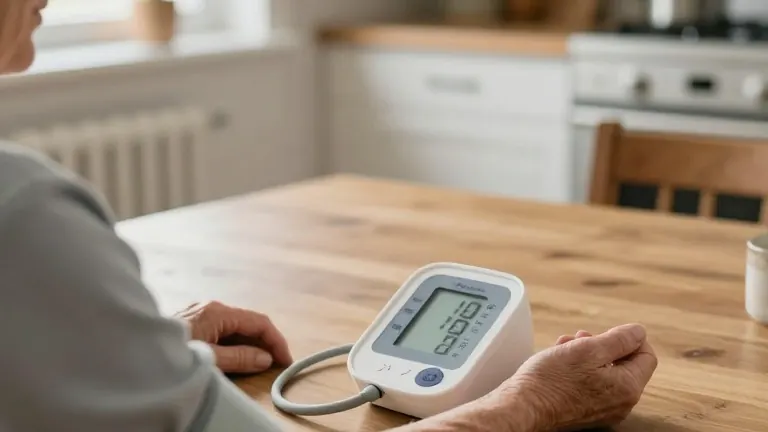
Dianne Williams sits in her home in rural Georgia, checking her blood pressure with a cuff that sends data to a nurse.
The device connects her to a care team at Albany Area Primary Health Care, allowing her to track her health without driving to the clinic.
Williams credits these quarterly appointments and daily check-ins with helping her lower her blood pressure and change her diet.
However, a proposed rule from the Centers for Medicare & Medicaid Services would change how these services are paid for.
The proposal would halt Medicare reimbursements for providers who use outside health technology companies to administer remote monitoring.
Under the new rules, Medicare would only pay clinicians when the service is provided by someone at the facility where they work.
The change follows 2024 and 2025 reports from the Department of Health and Human Services Office of Inspector General.
Those reports raised concerns about fraud, poor data collection, and a lack of direct treatment from prescribing clinicians.
Caroline Pearson, executive director of the Peterson Center on Healthcare, warned the rule would dramatically reduce or eliminate these services.
She noted that rural communities would be hardest hit because many local facilities rely on third-party vendors to manage the programs.
Most rural clinics do not have the internal capacity to launch and oversee their own monitoring systems.
Timothy Foster, a CMS spokesperson, said the agency recognizes the value of technology-enabled care but needs more safeguards to prevent fragmented care and billing issues for uninvolved clinicians. The proposal applies to traditional Medicare, not privately run Medicare Advantage plans, which cover more than half of Medicare participants. Andrew Van Ostrand, senior vice president at the Alliance for Connected Care, said the surprise was significant because many vendors had already implemented changes based on the Inspector General's recommendations. Van Ostrand called the reimbursement cuts draconian and misaligned with the federal government's $50 billion Rural Health Transformation Program. States have already earmarked at least $240 million from their first-year rural health funding for remote monitoring. More than 230 health tech vendors, healthcare systems, and advocacy groups signed a letter opposing the rule in September. Some large insurers and health systems, including Humana and Sutter Health, support the proposed changes. In 2023, only 1% of traditional Medicare patients used remote physiologic monitoring, but enrollment grew tenfold between 2019 and 2023. Spending on these programs rose from under $7 million in 2019 to more than $194 million in 2023. The average duration of these programs increased from 1.7 months to 5.2 months over that same period. Pearson argued that Medicare should limit the length of these programs unless treatment is still clinically needed. She suggested a shift toward a reimbursement system that pays based on whether patient health actually improves. Williams, who now walks at a local track each day, said the government should keep the tools accessible. It looks like they're cutting off everybody, and that's not right, she said.