Nevada Firms Cut Costs by Updating Packaging Parts, Not Whole Lines
Gradual modernization lets manufacturers replace only worn components, avoiding the high upfront costs of a full line overhaul.
By Samantha Reed ·
Manufacturers in Nevada can reduce capital outlays by updating individual packaging components rather than replacing entire production lines. This approach allows companies to fix specific weak points while keeping functional machinery in operation. It limits financial strain and reduces the downtime associated with installing new systems from scratch.
The shift toward incremental upgrades responds to the high cost of new machinery. Full replacements require large investments and often interrupt production for extended periods. By targeting only the equipment that fails or underperforms, businesses can manage expenses more predictably. This method prioritizes reliability over adopting the latest technology for every station.
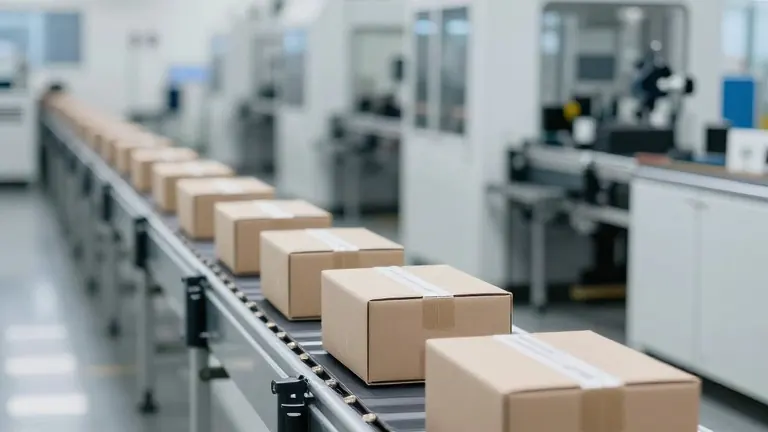
The process begins with a detailed assessment of current operations. Owners must identify production bottlenecks where one machine slows down the line. For example, a conveyor might move products faster than a wrapping machine can process them. Staff should document these delays during normal hours. They should also check maintenance records and repair costs to see which older units still perform well.
Once limitations are clear, companies can upgrade specific parts. Conveyors often need new rollers, serviced motors, or updated controls. Adding sensors helps these systems stop automatically if a downstream station becomes unavailable. Packaging machines may receive new electrical components or controls to improve reliability. If a single machine no longer meets requirements, replacing just that unit is often cheaper than rebuilding the whole line.
Integration requires careful planning to ensure new parts work with existing equipment. Managers must check speed compatibility, weight capacity, and floor space before purchasing. Technicians can connect newer machines to older systems using compatible controllers. This allows the line to communicate properly when a station stops. Proper coordination prevents product backups and maintains safety functions.
Installation schedules should align with business cycles to minimize disruption. Companies should plan work during slower production periods. If a full shutdown is impossible, projects can be divided into smaller stages. Employees need training on new procedures, basic troubleshooting, and emergency shutdowns before operating equipment independently.
Financial analysis guides each step. Owners compare repair costs against replacement costs to determine long-term value. They estimate potential savings from reduced waste and fewer interruptions. After installation, managers track hourly output and equipment downtime. This data confirms whether the upgrade delivers the expected benefits before further changes are made.
Source: Mesquite Local News
More Business · Unethical Practices · Report a business · Got a Story?