Montana bats save farmers $680 million annually, but fungus threatens the workforce
State biologists administered the largest single-night vaccination effort in history to nearly 900 bats near Libby to combat white-nose syndrome.
By Samantha Reed ·
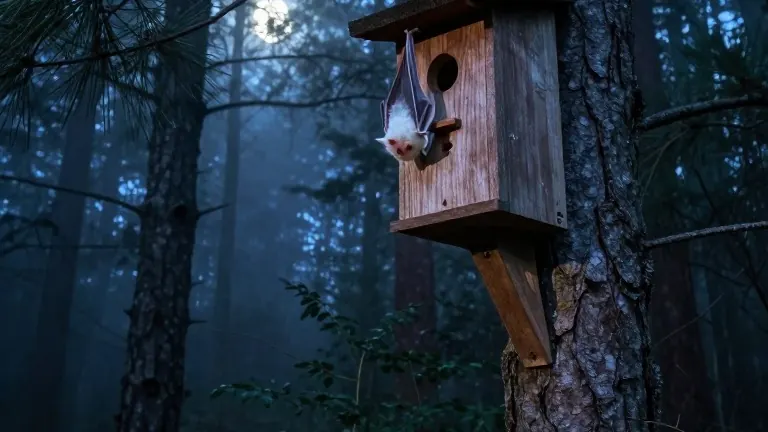
Montana’s 15 bat species provide an estimated $680 million in annual economic value to the state’s agricultural sector through natural pest control. Shannon Hilty, the state bat biologist for Montana Fish, Wildlife and Parks, notes that these nocturnal mammals consume large quantities of insects that would otherwise damage crops. This free service supports local farming operations across the region.
The economic benefit faces a growing threat from white-nose syndrome, a fungal disease first detected in Montana five years ago. The pathogen has destroyed multiple bat colonies and continues to spread westward. Hilty describes the current situation as challenging, though officials maintain hope that the disease’s trajectory may change due to recent interventions.
This summer, state biologists began a vaccination program near Libby to protect the population. Working with numerous volunteers, they successfully administered doses to nearly 900 bats in a single evening. Hilty identifies this as the largest number of bats vaccinated in one night anywhere in the world. Early data from similar efforts across the western United States indicate the vaccine yields positive results for surviving colonies.
Beyond the medical intervention, Hilty urges the public to rethink their perception of bats. She points out that only three vampire bat species exist globally, and none are present in Montana. None of the state’s bats feed on humans. As Halloween approaches, she advises residents to remember that bats generally avoid human contact. The state’s bat population remains central to both the local ecosystem and the agricultural economy.
The next phase of the vaccination effort will follow the summer trial, with biologists continuing to monitor colony health and spread of the fungus. Hilty encourages residents to learn more about the species to reduce negative public perceptions that hinder conservation efforts.
Source: Montana Public Radio