Menopause Does Not Stop Infection: Experts Warn Older Adults on Dating Safety
Clinicians advise that age and past marriage do not eliminate the need for testing and barrier methods, noting that viruses like HPV and syphilis can persist for decades.
By Justin Brooks ·
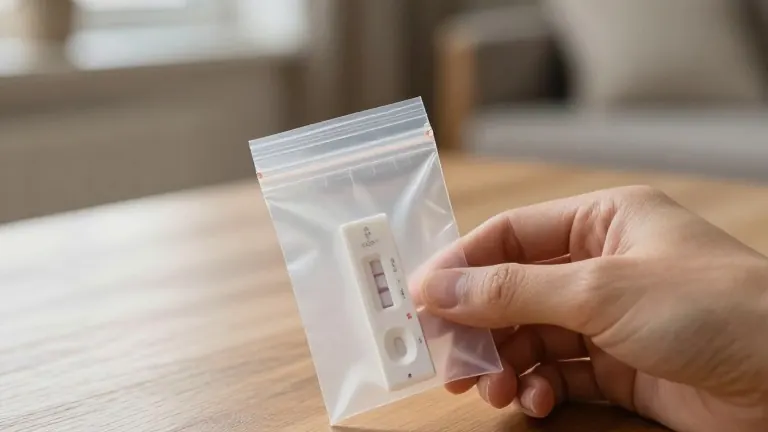
Older adults returning to the dating scene face the same sexual health risks as younger partners, according to medical experts speaking on the Aging Untold program. Dr. Rhea Rogers, a board-certified physician, emphasized that visual cues do not indicate infection status. She noted that retirement does not pause sexual health needs, urging individuals to maintain precautions regardless of age or relationship history.
A common misconception is that menopause provides a natural barrier against infection. Sam Cradduck, a gerontologist, corrected this view, explaining that menopause prevents pregnancy but offers no defense against gonorrhea, syphilis, HIV, or HPV. She highlighted that syphilis contracted in youth can remain dormant and resurface as neurosyphilis later in life, particularly within specific communities.
Rogers identified human papillomavirus as the most prevalent sexually transmitted disease, noting its potential to cause cancer in later years. She warned that a weakened immune system increases vulnerability to infection. Furthermore, she stated that treating one condition, such as chlamydia, often requires simultaneous treatment for others, like gonorrhea, because co-infections are frequent.
Amy O’Rourke, an aging expert, recommended that couples initiate conversations about testing and prevention early in a relationship. She suggested framing the discussion around the importance of an active sex life to reduce awkwardness. O’Rourke advocated for using specific disease names rather than the general term STDs, arguing that naming conditions like syphilis or cancer makes the stakes clearer for older adults.
Practical details matter for effective protection. Cradduck advised checking the compatibility of condoms and lubricants, as certain combinations can compromise barrier integrity. She also reminded those with latex allergies to avoid latex-based products. Rogers added that pre-exposure prophylaxis, or PrEP, prevents HIV but does not protect against other pathogens.
Experts agreed that testing remains the standard for safety. Rogers cautioned that a test from one month prior may not reflect current status if circumstances have changed. She advised partners to verify their own risk factors and communicate openly, as relying solely on a partner's history is insufficient. The consensus among the panelists was that protection is necessary for all dating adults, including those with a single known partner.
The program concluded by summarizing the core advice for older daters. The focus is on partners, practices, and protection. Specific recommendations include using advanced screenings, supporting immune health, and considering daily PrEP where appropriate. These steps are designed to bridge the education gap regarding sexual health in later life.
Source: Hawaii News Now