Boise State Researcher Explains Brain Mechanics of Movement to Young Readers
Clay Swanson describes how the nervous system coordinates daily actions and how practice strengthens neural connections in a Q&A feature.
By Justin Brooks ·
Boise State University faculty members recently answered questions posed by children in a series designed to explain complex research topics in accessible terms. The latest entry addresses the physiological processes that occur during physical movement.
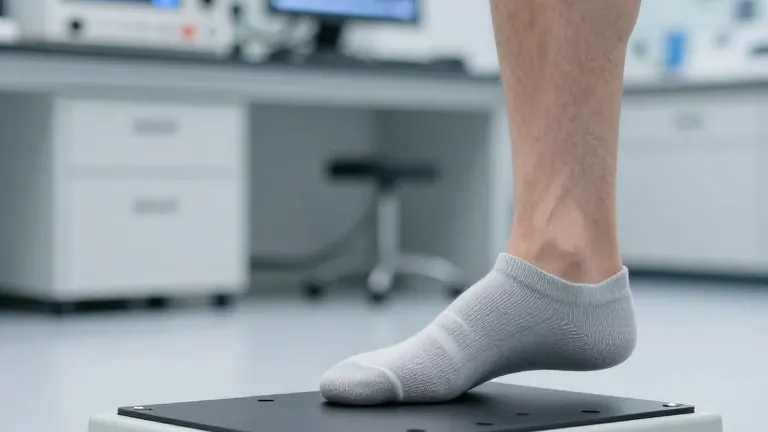
Clay Swanson, assistant professor and director of the Neuromechanics Lab in the School of Kinesiology, responded to the inquiry, “What happens in your brain when you move?” Swanson’s team investigates how the brain, nerves, and muscles interact to facilitate actions such as walking, balancing, and turning.
Swanson noted that while these movements appear simple to the observer, the internal coordination required is complex. He stated that as individuals age, the synchronization between the brain and the body can become more difficult, which may make routine activities more challenging.
The researcher’s work focuses on understanding how the brain controls these actions. Swanson said, “Our research explores how the brain controls these movements and whether practicing certain movements can help older adults improve their walking and balance.” The goal is to determine how people can maintain safe and confident mobility throughout their lives.
Swanson explained that movement does more than strengthen muscles; it also facilitates brain development. He used the example of learning to ride a bicycle or shoot a basketball. Initial attempts often result in wobbles or missed shots, but repeated practice leads to improvement. This improvement is attributed not only to muscular strength but also to changes in the brain.
During activities such as soccer, the brain processes visual information from the eyes, sends signals through nerves to muscles, and receives feedback from joints and inner ears to maintain balance. This sequence, known as motor control, occurs rapidly and often without conscious thought. Swanson emphasized that practicing movements allows the brain to manage these tasks more effectively.
The ability of the brain to alter nerve cell connections in response to movement and learning is termed neuroplasticity. Swanson compared this process to learning to ride a bike. Initially, the rider must focus on each step, but with sufficient practice, the movement becomes automatic. This shift indicates that the brain has strengthened the connections necessary to perform the skill.
Regular physical activity is also associated with improvements in attention, memory, and mood. Swanson indicated that moving the body can increase alertness and concentration. He noted that individuals do not need to be elite athletes to gain these benefits. Activities such as walking, playing outside, riding a bike, dancing, and playing games with friends all contribute to physical activity and brain health.
Swanson suggested a simple experiment to demonstrate the coordination of the brain and body. He recommended standing on one foot for 10 seconds near a sturdy object for support. The challenge increases if the individual turns their head side to side or closes their eyes during the exercise. This added difficulty occurs because the brain must process new information from the eyes, inner ears, muscles, and joints to maintain balance.
The feature concluded with a recommendation for readers to remember that physical activity provides opportunities for the brain to learn. Boise State University has made additional resources available, including links to interactive 3D brain models and articles from the Center for Disease Control and the National Institutes of Health. These resources provide further information on how physical activity supports brain health and how the nervous system coordinates complex movements.