Arctic Defense: Canadian Experts Warn of U.S. Policy Shift
U.S. moves toward Moscow, including a G20 invitation and oil deals, are prompting security reviews in Ottawa as analysts assess the impact on North American defense.
By Samantha Reed ·
Canadian security analysts say a rapid change in U.S. policy toward Russia creates new risks for North American defense. The shift occurred over six weeks, from Prime Minister Mark Carney’s visit to the European Parliament to the arrival of EU officials for a summit in Montreal.
The U.S. invited Russian President Vladimir Putin to the G20 summit in Miami in December. This move followed the lifting of sanctions on Russian oil on October 9. Washington also announced a deal to buy diesel directly from Russia.
Vincent Rigby, who served as national security and intelligence adviser to the prime minister until 2021, described the shift as serious. He said it is not Trump playing footsie with Putin, but something far, far more serious.
Policy changes extended beyond diplomacy. Under a plan Trump called an energy ceasefire, Ukraine stopped striking Russian refineries. Russia continued to hit Ukrainian power plants. Starlink and Starshield service slowed, with the White House and Elon Musk trading blame. The U.S. appeared to stop warning Ukraine of incoming ballistic missiles. President Volodymyr Zelenskyy noted that obtaining Patriot missiles became harder.
Rob Huebert of the University of Calgary argued these actions show an attempt to make Ukraine lose the war. He suggested the oil and diesel deals may be a short-term bid to calm American voters angry about fuel prices before the midterms.
Washington reportedly pressed European countries to release billions of euros in frozen Russian assets. Trump signed an executive order waiving sanctions on Russia. Maria Popova, a McGill University expert on Russia, said the administration moved from neutrality to working toward an open alliance with Putin. She warned this path could lead to the U.S. directly helping Russia’s war effort.
A proposed three-way meeting with Putin and Chinese President Xi Jinping has raised concerns about a new power structure. Kremlin foreign policy aide Yuri Ushakov said preparations began for a summit on the sidelines of the Nov. 18-19 APEC meeting in Shenzhen, China. Popova warned a later meeting could decide the fate of Canada or Taiwan.
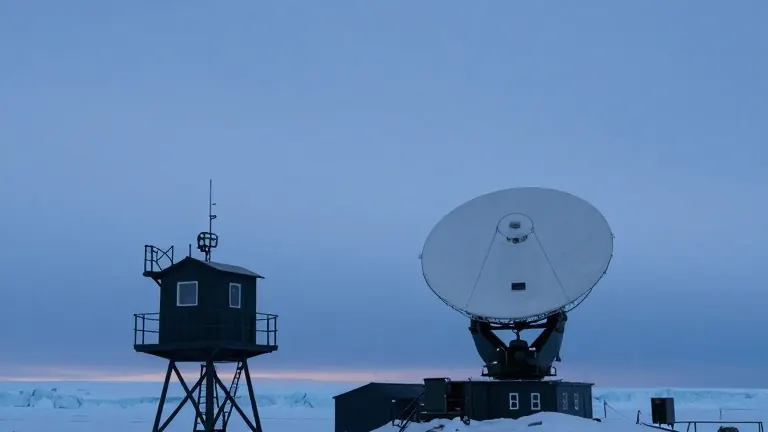
Rigby said closer U.S.-Russian ties raise immediate fears about Arctic sovereignty. In a worst case, he said, this could be the end of NORAD. He added that such a world would marginalize middle powers.
Canada is responding by building new alliances and rearming. Rigby said Canada will have to reach out to Europe. Options include deeper integration of defence-industrial bases, technology exchanges, and new satellites independent of Musk or the Pentagon.
Geography limits Canada’s options. Unlike Ukraine, Canada would be largely on its own in a real confrontation with the U.S. Rigby expects the next 26 months to be turbulent. He said Canadians could see a president after next week who is even more reckless, less restrained and more aggressive.
Source: CBC News
More Politics · World news · Report a business · Got a Story?