32%: Pope Leo XIV urges focus on people over economic metrics in Argentina
The pontiff’s speech in Buenos Aires contrasts with President Milei’s austerity program, which has reduced inflation but cut wages and public university funding.
By Samantha Reed ·
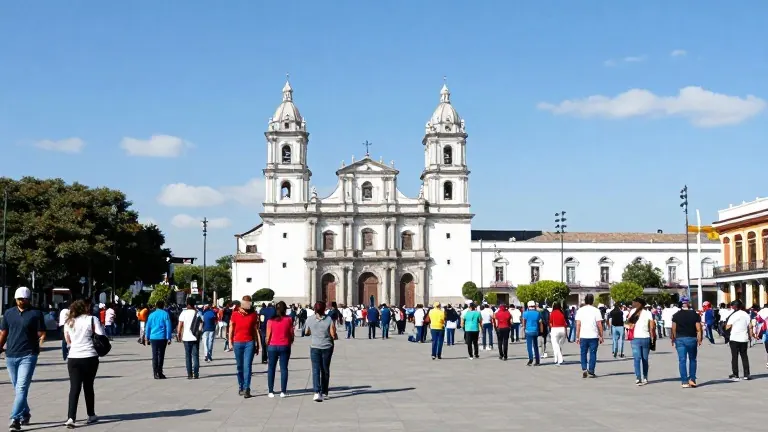
Pope Leo XIV arrived in Argentina on Sunday and told President Javier Milei that political leaders must prioritize human needs over macroeconomic indicators.
The visit marks the first papal trip to the country in nearly 40 years and serves as the most politically complex stop on Leo’s three-nation South American tour. His arrival follows the legacy of his predecessor, Pope Francis, who never returned to Argentina during his 12-year tenure. Leo’s public remarks directly addressed the tensions between the Vatican’s social doctrine and the current administration’s fiscal policies.
Milei, an anarcho-capitalist, took office in late 2023 and launched an austerity campaign to combat inflation. His government cut public spending and described social justice as a moral aberration. These measures have produced a budget surplus and lowered annual inflation from 200% to approximately 32%. However, real wages remain below their 2023 levels, and roughly 300,000 formal jobs have disappeared. Retirees, whose average monthly pension is $510, have protested outside Congress every Wednesday for more than two years to demand affordability for basic necessities.
Ahead of the visit, Milei’s officials downplayed the likelihood of a political confrontation. Human Capital Minister Sandra Pettovello told a Buenos Aires radio station that there was no way the pope intended to comment on local politics. Milei himself welcomed the pontiff by calling the late Francis an exceptional figure and the most important Argentine in history. He expressed hope that the trip would strengthen faith and bring peace to the nation.
During his arrival speech, Leo emphasized that democracy requires careful language and the ability to view political opponents as fellow citizens. He stated that the economy must serve the person, not the other way around. The pope acknowledged the value of private initiative but insisted that growth must benefit disadvantaged groups, including the unemployed and retirees who struggle to meet household needs despite hard work. He referenced church social doctrine from the past six decades to frame his arguments.
Leo also addressed the crisis in Argentina’s public education system. Funding for universities and research has dropped by about 40% since 2023. Professors and students have staged mass protests to demand the implementation of a law that restores salaries and boosts scholarships. Milei has refused to enforce the legislation, keeping the dispute in the courts. A survey of nearly 1,200 final-year medical students and doctors in training found that more than 80% considered emigrating, while nearly a third had begun applying for foreign citizenship.
The pope warned that rapid advances in artificial intelligence require careful consideration of their consequences and the responsibilities of those who deploy them. This comment follows Milei’s push to attract tech companies to build data centers in Patagonia and his use of AI for policing. Leo also noted that Argentina’s natural resources must serve the well-being of communities, a point relevant to the administration’s loosening of glacier protections to lure oil and gas investment.
Archbishop Jorge García Cuerva recently warned that Leo would find a wounded and divided Argentina. The country’s bishops have become persistent critics of the government, with 42 of 44 public policy documents published between January 2024 and September 2026 criticizing the administration on issues ranging from poverty to migration. Leo’s visit continues with further engagements scheduled in the coming days.