Argentina threatens Rockhopper executives with prison over Falklands oil project
Argentina is seeking an urgent halt to the Sea Lion oil project as court submissions reveal prosecution threats against British company executives.
By News Media House Staff ·
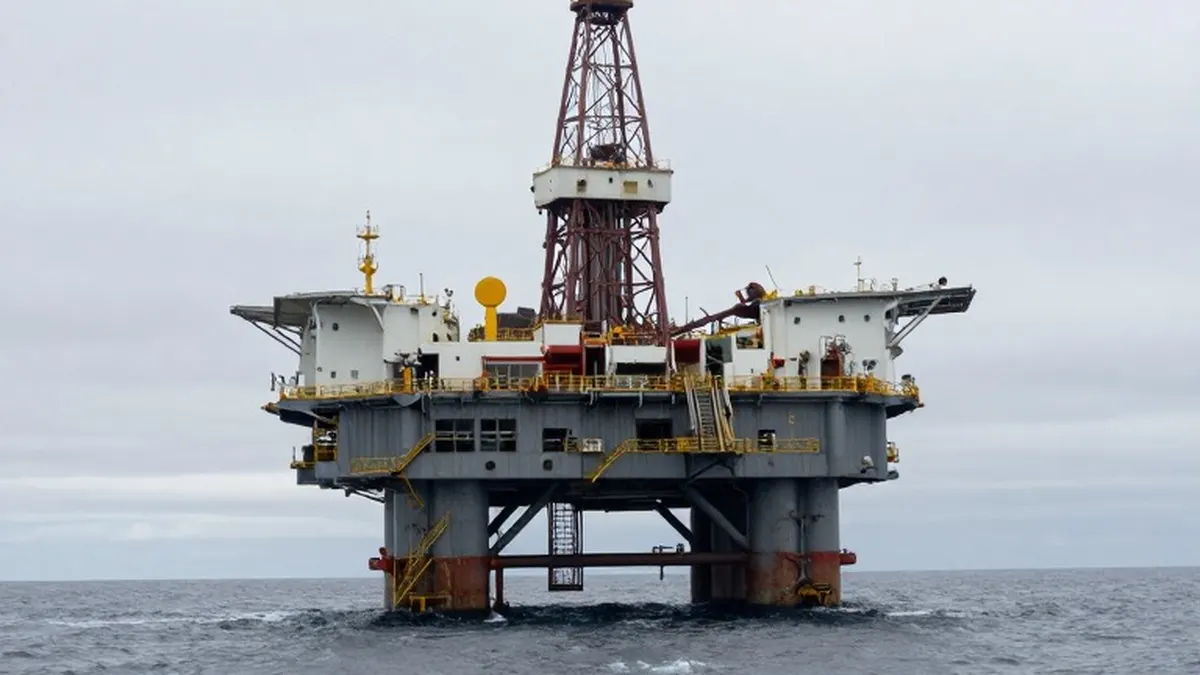
Argentina has threatened senior executives at British oil company Rockhopper Exploration with imprisonment over their involvement in an offshore project near the Falkland Islands, according to a witness statement disclosed by the Guardian. The threats emerged as Buenos Aires asked an international tribunal to urgently suspend drilling at the Sea Lion development.
Rockhopper chief executive Sam Moody said Argentina had written personally to him and the company’s chief financial officer on 1 September 2026, threatening criminal proceedings, prison sentences and fines under Argentine law. His statement was submitted by the UK to the International Tribunal for the Law of the Sea ahead of two days of hearings held this week. The Guardian obtained access to the sealed statement after applying to view it.
Sea Lion, north of the Falklands, is being led by Rockhopper and Israeli company Navitas. Argentina has enacted domestic legislation criminalising the project. Moody told the tribunal that repeated threats of prosecution and detention in Argentina meant he believed preparing his statement for the proceedings in Hamburg carried a personal risk.
Moody also described measures that he said had made financing the development increasingly difficult, including Argentina’s decision to bar Navitas from operating in the country for 20 years. Argentine officials allegedly contacted Standard Chartered, which has a branch in the Falklands capital, Port Stanley, urging the bank to avoid involvement in oil and gas development around the islands or risk falling under Argentine legislation.
A separate submission from Ian Ramsay, chief executive of Navitas Petroleum Development and Production, said contractors’ identities had been withheld because of scrutiny by Argentine authorities and efforts to obstruct the project. US company Halliburton recently said it would undertake no work on Sea Lion following discussions with Argentina. The Guardian reported last month that Britain had sought assurances from Interpol that it would not act on Argentine arrest notices targeting people involved in the Falklands economy.
Argentina argues that British approval for drilling is illegal because sovereignty over the islands remains disputed. It cites a 1976 UN resolution calling on both countries to resolve their competing claims and refrain from unilateral changes to the situation. Buenos Aires wants a temporary suspension pending further arbitration, arguing that drilling is worsening the sovereignty dispute.
Britain told the tribunal this week that it lacked jurisdiction and that the UN resolution was not legally binding. Ellie Reeves, attorney general for England and Wales, argued that suspending Sea Lion would end its prospects of success and have severe consequences for islanders. The development is expected to double the islands’ GDP and generate an additional £8bn in Falkland government revenues during the oilfield’s working life. Legislative assembly chair Jack Ford said its collapse would have social as well as economic effects throughout the islands.
In September, Argentine president Javier Milei told the UN general assembly that recovering sovereignty over the islands, called the Malvinas in Argentina, was a national cause being pursued through peaceful means. Argentina invaded the Falklands in 1982, triggering a 74-day war that ended with Argentine forces surrendering. The conflict killed 649 Argentine military personnel, 255 British military personnel and three Falkland islanders.
The tribunal is expected to rule on Argentina’s application on 28 November.
Originally published by News Media House