Maine Secretary of State urges voters to cast ballots amid concerns over intimidation and misinformation
Shenna Bellows emphasizes that one vote can decide a race and outlines key dates and procedures for the Nov. 3 General Election.
By Aiko Nakamura ·
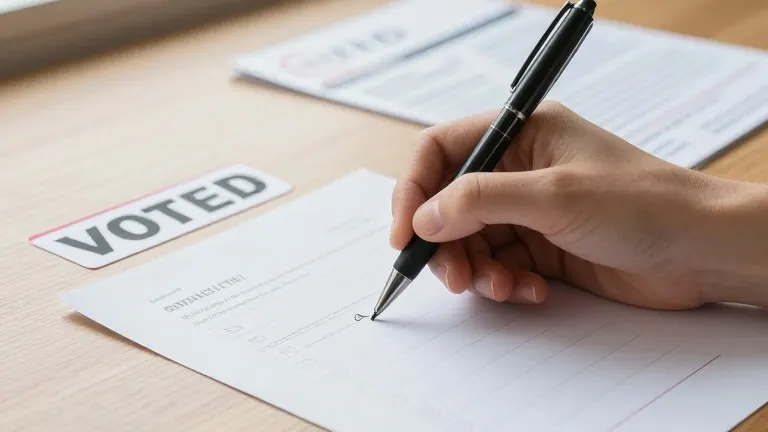
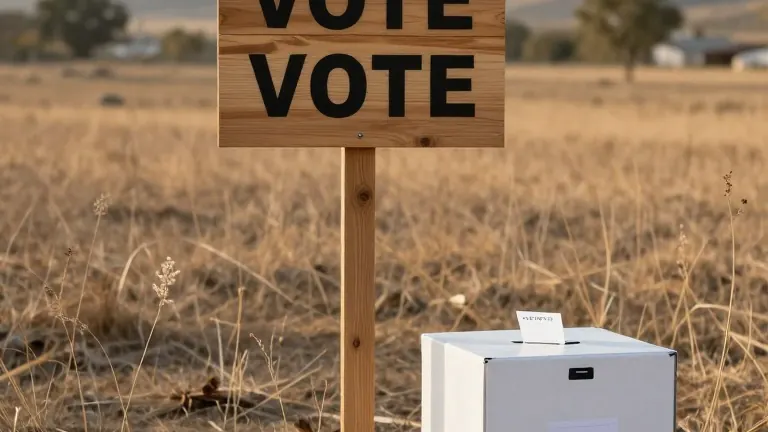
Maine Secretary of State Shenna Bellows is urging eligible voters to participate in the Nov. 3 General Election, countering rising anxiety about the voting process. In an Oct. 20 interview, Bellows stated that individual ballots can determine election outcomes, citing a recent state House race decided by a single vote.
Bellows oversees voter registration, ballot equipment, and vote counting in the state. She identified fear as her primary concern for the upcoming election, noting that negative political rhetoric may discourage participation. This message targets new citizens, immigrants, and those unfamiliar with U.S. election procedures who may worry about the consequences of voting.
Eligible voters in Maine must be U.S. citizens and at least 18 years old on Election Day. The state permits same-day registration, allowing eligible individuals to register at their polling place on Nov. 3. Voters generally must present proof of identity and residency, such as a driver’s license, student ID, or lease. Those without standard documents may sign an affidavit.
Early voting ended on Oct. 29. Polls will close at 8 p.m. Eastern time on Election Day. Maine uses paper ballots that are processed by tabulators not connected to the internet, which Bellows said prevents cyber attacks. Clerks track voter participation to prevent duplicate ballots, while absentee envelopes are signed and secured before processing. Observers from both major parties, candidates, and media may watch the count.
Bellows warned voters to verify information from trusted sources like vote.gov and to be cautious of social media. She stated that intimidation at polling places is illegal and that federal law enforcement, including ICE, cannot be present. Voters should report threats to their municipal clerk. She also noted that community organizations can provide assistance and interpreters but cannot pressure voters to support specific candidates.
Voters with disabilities can use ExpressVote systems featuring touchscreens and audio ballots, which produce a paper record for review. Those needing language assistance may choose a trusted person to help complete their ballot. The assistant must follow the voter’s directions rather than directing their choice.
Bellows referenced a 2024 state House race where a recount revealed a one-vote margin of victory. The winning ballot included a mark and the candidate’s name in the write-in area, which was counted under state rules. She noted that local elections shape budgets for schools, roads, and health care access.
Voters may research candidates during voting and skip specific races without invalidating the rest of their ballot. Bellows encouraged voters to contact her office with questions to ensure they have accurate facts. Her office aims to make elections accessible and secure for all eligible Mainers.
Source: Amjambo Africa