California Ballot Measure: Data Center Developers May Exploit Fast-Track Review Rules
Proposition 45 aims to shorten environmental reviews for housing and energy, but legal experts warn it contains a broadband clause that could exempt large-scale data centers from public scrutiny.
By Aiko Nakamura ·
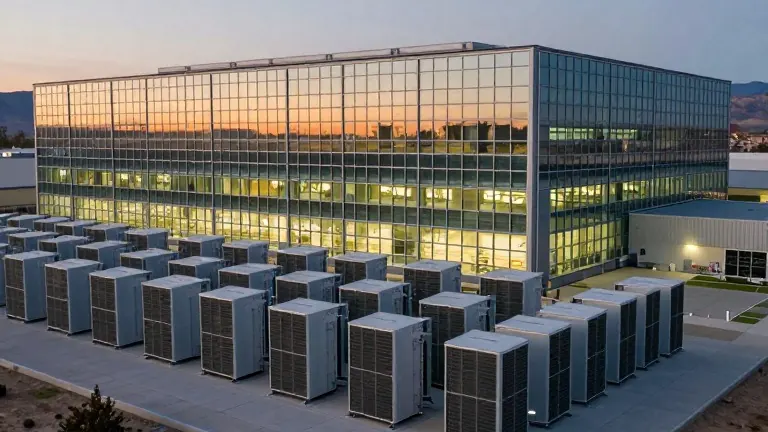
Proposition 45 on the California ballot would compress environmental review timelines for specific infrastructure projects, a change that critics say creates an opening for data center developers to bypass standard public oversight.
The measure seeks to address the state’s housing deficit and rising power needs by establishing strict deadlines for state agencies to complete environmental impact reports. Under the proposed rules, agencies would have 365 days to finish these assessments. Legal challenges to approved projects would be required to be resolved within 270 days. The public comment period would be limited to 45 days.
Environmental groups argue that the definition of eligible projects is broad enough to include data centers. The proposition lists nine types of essential projects, including housing, clean energy, and broadband internet access. Fernando Gaytan, a senior attorney at the nonprofit Earthjustice, contends that developers will attempt to classify their facilities under the broadband category to secure the faster review process. "Communities get cut out of the conversation," Gaytan said.
The California Environmental Quality Act, or CEQA, currently requires state agencies to gather community input and consult with potentially affected Native American tribes. Proposition 45 would alter these requirements by mandating consultation only with federally recognized tribes. The measure would also shift the burden of proposing environmental mitigation alternatives to the developers themselves, rather than state agencies. Regulators would no longer have the authority to request additional information from developers once the application process has begun.
Richard Frank, a professor emeritus at the UC Davis School of Law, and attorney Matthew McKerley wrote in the Daily Journal that data centers with broadband transmission infrastructure could fit the proposition’s definition. They noted that companies currently developing these facilities have contributed hundreds of thousands of dollars to the campaign supporting the measure. The proposition explicitly excludes nuclear energy and dial-up internet services but does not explicitly bar data centers.
A further change in the proposal limits the power of the courts. If a judge finds that a regulatory agency failed to comply with CEQA, the court would be barred from stopping the entire project. Judges could only pause specific problematic parts of the construction. Gaytan described this provision as the most egregious aspect of the measure. "It’s hard to undo harms once you’ve already started a project," he said.
Proponents maintain that the measure does not apply to data centers. Kurt Oneto, an attorney and lobbyist, wrote in The National Law Review that supporting the internet does not make a facility an essential broadband project under the law. The Yes on Proposition 45 campaign did not immediately respond to a request for comment regarding the data center issue.
The NAACP California and Hawaii State Conference supports the measure. Rick Callender, the conference president, stated in a September press release that working families pay the highest price when essential projects face delays. "Prop. 45 is about accountability, not shortcuts, creating a smarter process that gets these projects built sooner while protecting civil rights and environmental safeguards," Callender said. The organization has previously opposed data center developments, including filing suit against xAI over air pollution from its Colossus 2 data center.
Opponents of the measure fear it will disempower the communities intended to benefit from the new infrastructure. Gaytan emphasized that the core issue is public participation. "It’s about neighbors being able to say, ‘I want you to be transparent with me about what’s going behind that wall,’" he said.
Source: The Verge