4 million pounds of invasive algae removed from Maunalua Bay
Mālama Maunalua’s habitat restoration program, led by Alex Awo, continues to transform the estuary through volunteer labor and scientific intervention.
By Justin Brooks ·
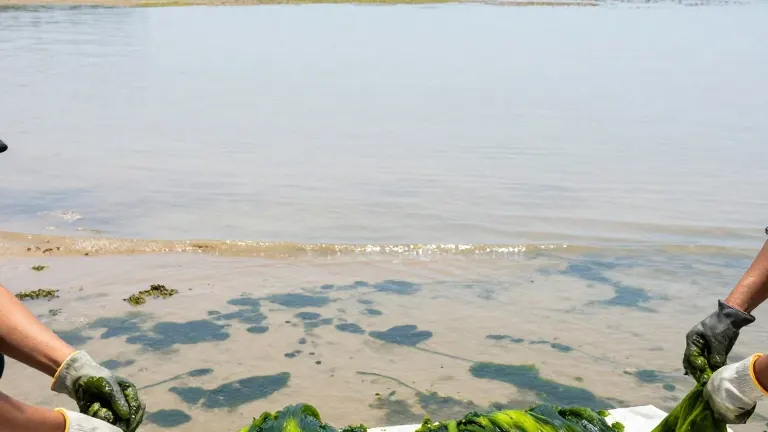
Volunteers working in Maunalua Bay have removed more than 4 million pounds of invasive algae from the waterway. The nonprofit Mālama Maunalua manages this cleanup effort, which involves participants ranging from kindergarteners to senior citizens. Workers wear gloves to extract the harmful growth, which is then converted into compost. The resulting material is donated to local farms, schools, and nursing homes.
Alex Awo, the organization's director of habitat restoration programs, oversees the operation. He joined Mālama Maunalua in 2016 after first volunteering in 2014 while studying at Kapi‘olani Community College. Awo grew up near the bay's southeast shore and recalls the area as a toxic wasteland overrun by pollution and invasive species. He now manages the recruitment of volunteers, community education, and scientific research.
The organization employs a mauka to makai strategy, meaning they address environmental issues from the mountains down to the ocean. Awo explains that this approach recognizes how land-based actions impact marine ecosystems. Programs are designed to help residents understand these connections and the specific environmental problems affecting their community. This includes mitigating stormwater runoff that carries chemicals and sediment into the bay.
In addition to removing algae, staff and interns plant thermally tolerant corals that resist bleaching. Awo developed an intern program that provides high school and college students with hands-on research experience in marine science and water quality. These interns assist in surveying and invasive species management alongside regular volunteers.
The bay still faces pressure from overfishing, unsustainable development, and rising sea levels. Invasive species continue to compete with native marine life. Funding for these efforts comes from government grants and private donors. Mālama Maunalua partners with companies such as Hawaiian Airlines, First Hawaiian Bank, Bank of Hawai‘i, Duke’s Waikiki, and Maui Brewing Co. These businesses contribute to conservation efforts while fostering team bonding among employees.
Awo says the nonprofit aims to expand its programs and reach more students over the next decade. He hopes the work done in Maunalua Bay will serve as a model for environmental advocates in other parts of Hawai‘i and beyond. When he is not managing fieldwork, Awo spends his time hiking, fishing, and photographing the progress of conservation efforts in the area.