Texas Voters Elect Officials to Overhaul $11 Billion Border Operation
New leaders face a complex web of state laws and federal lawsuits that may limit how quickly they can change course.
By Samantha Reed ·
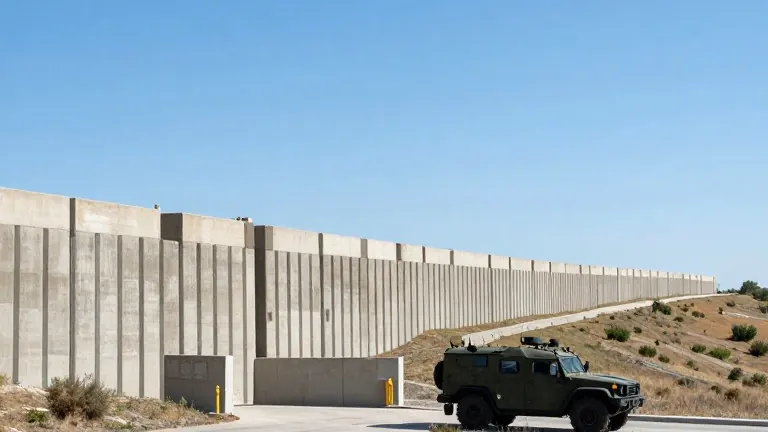
Texas spent $11 billion on Operation Lone Star, a state-run border enforcement program that deployed National Guard troops and police to apprehend migrants crossing the Rio Grande. The cost reflects a decade of aggressive state-led immigration enforcement under Governor Greg Abbott, who transformed the state into a national model for such measures.
On November 3, voters rejected Abbott’s approach by electing Gina Hinojosa as governor and Nathan Johnson as attorney general. Hinojosa is the first Mexican American to hold the governorship in Texas, while Johnson is the first Democrat elected to the top legal office since 1994. Both candidates criticized Abbott’s policies during their campaigns, citing the high financial and human costs of the state’s border strategy.
The timeline of this enforcement model began in March 2021, when Abbott announced Operation Lone Star. He cited a need to combat human and drug smuggling, arguing that federal policies at the time were too permissive. Throughout 2021 and subsequent years, Abbott issued disaster declarations that allowed him to mobilize resources and impose harsher criminal penalties on immigrants in designated border areas. The state legislature allocated $3.1 billion for border barriers, and the Texas Facilities Commission reported the installation of 82.2 miles of barrier earlier this year.
Hinojosa has pledged to review the effectiveness of Operation Lone Star, describing it as "political theatre" that spends billions on detaining immigrants rather than keeping communities safe. She stated that the program should only exist to make Texas safer and that she will spend the necessary funds to protect the community without using public safety as a political stunt.
Funding for the operation is not permanent. The Republican-controlled legislature approved nearly $3.4 billion for border security in the current state budget. However, any funding to continue the operation into the next two-year budget cycle, which begins in the fall, requires renewal by lawmakers. When the legislature reconvenes in January, Democrats will control the House. Many House members have voted against previous border security spending measures.
Attorney General Nathan Johnson will inherit a portfolio of federal lawsuits filed by his predecessor, Ken Paxton. Paxton’s office challenged federal programs such as Deferred Action for Childhood Arrivals and defended state measures like Senate Bill 4, which allows police to arrest individuals suspected of illegal border crossing. In April 2026, the 5th Circuit Court of Appeals ruled that Texas can enforce SB 4 while the case is litigated, though it did not declare the law constitutional.
Kristin Etter, director of policy and legal services at the Texas Immigration Law Council, noted that a new governor cannot rewrite immigration laws but can change how state resources are used. She suggested that Hinojosa can stop renewing Abbott’s border security disaster proclamation, which has been renewed 69 times since 2021. This proclamation allowed Abbott to justify deploying National Guard members and state troopers without legislative approval.
Amrutha Jindal, director of Lone Star Defenders, expects Hinojosa to scale back operations but warned that the effects will persist. Her organization has represented about 20,000 people arrested on charges of trespassing and smuggling under Operation Lone Star. Approximately 1,000 cases are currently pending in state criminal courts. Jindal stated that the program could end in name but would continue in practice as these cases play out.