Paraguay Impeaches President Over Bank Failure Affecting 3 Million Customers
Santiago Peña was removed from office and placed under house arrest after Congress found him guilty of malfeasance linked to the collapse of Ueno Bank.
By Justin Brooks ·
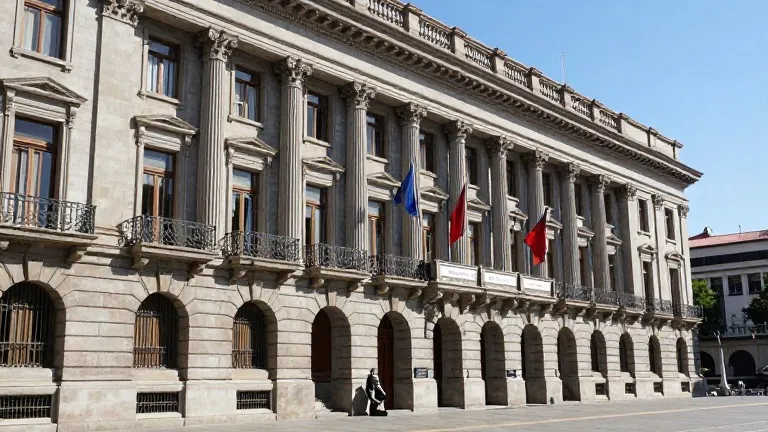
Santiago Peña lost his presidency on Friday when the Paraguayan Senate voted unanimously to remove him from office. Lawmakers found him guilty of malfeasance before prosecutors placed him under house arrest. The action followed the collapse of Ueno Bank, a digital lender that served roughly 3 million customers, which is more than half of the country's adult population.
The financial institution’s failure has left millions of people unable to access their funds. The central bank seized control of Ueno Bank on Tuesday after determining that its solvency ratio no longer met legal standards for long-term viability. The bank had previously reported that over 1 million people opened their first bank accounts through its platform, which offered cash back on groceries.
Peña, a shareholder in the bank, had positioned himself as a pro-market leader aimed at simplifying business operations in Paraguay. Critics argued that his connection to the lender enriched him and put state assets at risk. He denied any wrongdoing and announced his resignation on Thursday. Legislators rejected the resignation and moved forward with the impeachment process.
During Senate proceedings on Friday, lawmakers officially declared him guilty. Prosecutors charged him with a breach of trust and other offenses. On Saturday morning, Peña appeared before prosecutors as his trial continued. He becomes the first Paraguayan president to be forced from office since Fernando Lugo was ousted in 2012.
Peña posted a video to social media in which he apologized to the public. "I want to apologize to the Paraguayan people if I have failed you," he said. The bank's seizure triggered protests in the capital, Asunción, as citizens struggled to reach their money.
Vice President Pedro Alliana was sworn in as president to complete the term that runs until August 2028. Alliana stated on Friday that he would take steps to compensate people who lost money in the bank's collapse. The transition marks a sharp break from previous leadership, as Alliana steps into a role defined by the immediate need to address the financial fallout.
The removal of Peña underscores the political risk tied to the banking sector in the region. With the trial ongoing, the focus now shifts to the legal process and the government's plan for restitution. The next steps in the trial will determine the final outcome for the former president.
More Politics · National news · Report a business · Got a Story?