Cinematic dishes rarely match real-world recipes
A review of film history reveals that many famous movie meals, from ratatouille to ortolans, are culinary inaccuracies or elaborate staging.
By Justin Brooks ·
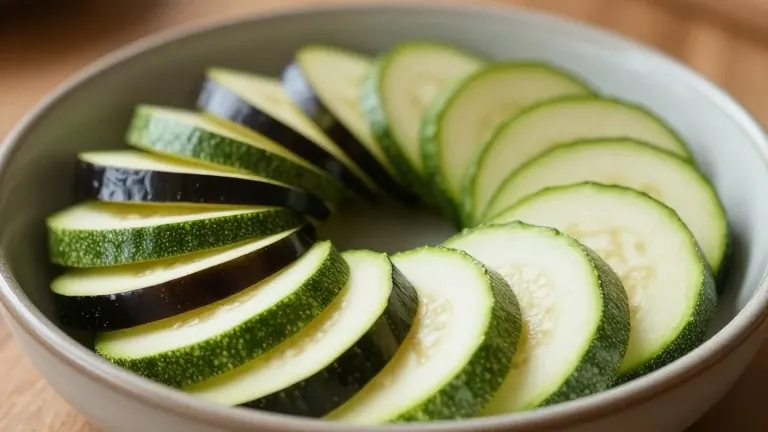
The dish served in the 2007 Pixar animated film Ratatouille is not actually ratatouille. The meal prepared by the protagonist, Remy, to impress the critic Anton Ego is a confit byaldi. This preparation features vegetables sliced into precise, thin strips, which differs from the rustic Provençal peasant dish that shares its name. The film has maintained high popularity since its release, and the character Remy now appears in Parisian souvenir shops and duty-free locations.
Other classic films contain similar culinary departures from reality. In the 2001 musical film Mamma Mia, the character played by Meryl Streep is shown eating a plate of meatballs, a dish that has become a staple of the film's cultural footprint. However, the source text specifically cites the meatballs in Disney's Lady and the Tramp as a key example of food facilitating romance. In GoodFellas, the meticulous slicing of garlic highlights the mobster lifestyle, while in Phantom Thread, food serves as a catalyst for the romance between Daniel Day-Lewis and Vicky Krieps.
Audience perception often overrides the specific ingredients used on screen. In When Harry Met Sally, Meg Ryan's improvised exhalations while eating a turkey sandwich on white bread suggest satisfaction, though the specific bread type is a minor detail. Conversely, in the opening of Breakfast at Tiffany’s, Audrey Hepburn is shown eating Danish pastry, a food she reportedly disliked. In Five Easy Pieces, Jack Nicholson’s character orders a chicken salad sandwich on wheat toast with no butter, no mayonnaise, and no lettuce, plus a cup of coffee, specifically asking to hold the chicken.
Historical and period pieces often use food to establish setting or character status. Sofia Coppola secured access to the Palace of Versailles for her 2006 film Marie Antoinette. The production used pastries from the Parisian patisserie Ladurée, including petit fours, ladyfingers, and macarons on gold-leafed almonds. In the 1993 film Benny & Joon, Johnny Depp revisited a sequence from Charlie Chaplin's The Gold Rush, where Chaplin performed a ballet with forks and bread rolls. For the 1942 re-release of The Gold Rush, Chaplin composed a new musical piece titled Mother’s Dance.
Quentin Tarantino’s 2009 film Inglourious Basterds features a seven-minute interrogation scene driven by an order of apple strudel. Christoph Waltz plays the Nazi colonel Hans Landa, who questions Mélanie Laurent’s character Shosanna Dreyfus. In the 1996 film Big Night, Tony Shalhoub and Stanley Tucci play Italian brothers in 1950s New Jersey who risk their business on a dish called Timpano. The film concludes with the brothers bonding over an omelette after the main meal.
The 1985 Japanese comedy Tampopo focuses on the quest for perfect ramen, depicting food consumption with sensual precision. In the 1958 film Gigi, Leslie Caron’s character is instructed to eat ortolans, a practice involving tiny, bony songbirds. The film omits the traditional ritual of covering the head with a napkin during consumption. Ortolan hunting was banned in France in 1999, four years after President François Mitterrand requested the dish for his final New Year’s Eve meal.
Fred Wiseman’s documentary Menus-Plaisirs, Les Troisgros chronicles a three-Michelin-star restaurant in the Loire Valley. The elder chef insists that almond paste is excessive for a sauce made of mayonnaise, fromage blanc, and elderberry vinegar. The sauce is intended for an asparagus and rhubarb julienne. In Babette’s Feast, a French chef in Denmark uses lottery winnings to host a feast including blinis, caviar, quail in pastry, truffles, and foie gras.