Carnegie Descendants Face Scrutiny Over New Homes on Cumberland Island
The National Park Service proposes a land swap that would permit up to eight new private residences on the Georgia barrier island.
By Samantha Reed ·
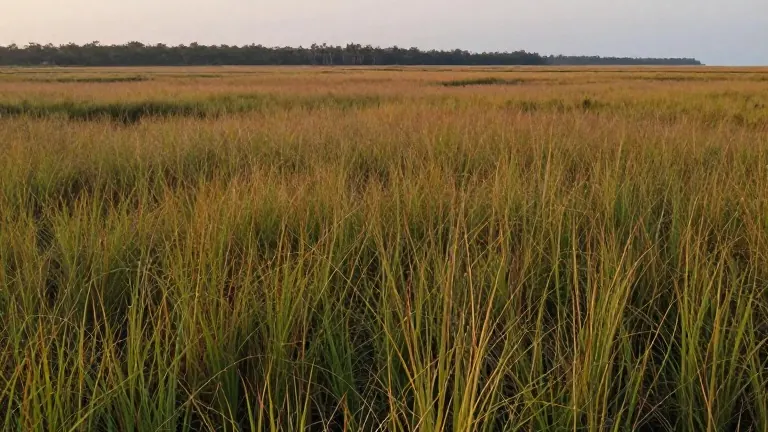
The National Park Service has received more than 12,500 public comments on a proposal to swap federal land with private property owners on Cumberland Island in Georgia. The plan would allow two branches of the Carnegie family to build up to eight new homes on the island's west side. In exchange, the agency would acquire private land to consolidate park ownership and restrict development in sensitive coastal areas.
Park superintendent Melissa Trenchik defended the move during media tours. She stated that without the swap, development on the private parcels remains possible. The new homes would be limited to 35 feet in height and subject to permanent conservation limits. Trenchik described the structures as modest, noting that the family values the view of the Cumberland Sound.
Joseph Manning, an attorney with Defenders of Wildlife, criticized the 15,000-square-foot allowance for each residence. He called the proposal a mechanism for the Trump Administration to benefit specific families. Manning compared the Cumberland swap to other recent land exchanges in Grand Teton and Yosemite. He argued that these deals are designed to favor special interests rather than expand public access.
Barclay McFadden, a great-great-grandson of Thomas Carnegie, rejected the label of modern-day robber baron. He noted that five generations of his family are buried on the island. McFadden said the family protected the land from becoming a golf course in the 1970s. He stated that the swap allows the family to build homes for younger generations while maintaining their stewardship of the area.
Jamie Ferguson, a cousin of McFadden and co-owner of the Greyfield Inn, supported the family's long-term commitment to the island. He highlighted the cultural significance of The Chimneys, a historic site where enslaved workers once lived. Ferguson believed the swap could improve visitor access to this monument. He described the family's presence as a central thread in the island's history.
Carol Ruckdeschel, an 85-year-old naturalist, opposed the plan as a step toward greater development. She lives on the island and surveys beaches for sea turtles. Ruckdeschel called the proposal an insult to the Park Service's mission. She also objected to the agency's plan to double daily visitation to 700 people. She argued that the island should remain a pure primitive wilderness where nature overtakes human structures.
The island includes 9,800 acres of wilderness designated by Congress in 1972. The area is home to wild horses, feral hogs, and deer. The land swap aims to preserve these habitats by limiting future construction on the Atlantic beachside. The proposal remains under review as stakeholders debate the balance between private ownership and federal protection.